
Moving quickly through the Everest Three High Pass Trek might seem smart. Yet rushing brings danger when paths climb sharply, ice fields stretch wide, suddenly opening beneath boots. This route crosses three major passes, each rising beyond 5,000 meters into thin air where every breath feels short. When pace pushes body limits, risks grow - altitude hits harder if lungs lack time to adjust. On the flip side, lingering too long leaves people open to sudden storms that roll in without warning. Cold winds arrive fast, draining strength before shelter appears. Progress matters, true, but so does listening to how legs feel near Cho La or Kongma La. A steady rhythm beats both extremes, letting feet move forward while the mind stays alert.
Flying Too Fast, Too High Can Be Dangerous
Moving too fast on the Everest Three High Pass Trek pushes the body beyond its limits in thin mountain air. Because oxygen drops sharply with height, quick progress tires muscles faster than expected. When hikers hurry across rocky slopes, balance suffers, missteps happen, and corners get cut. Adaptation to elevation needs steady pacing, something haste constantly interrupts. Each step taken without pause adds strain instead of strength. Safety lives in rhythm, not rush, especially where air grows thin and judgment matters just as much.
Controlled and Consistent Pacing Matters
Walking at a measured pace keeps you safe while moving fast enough on the Everest Three High Pass Trek. Up high in the Himalayas, moving without rushing helps your body use oxygen well and last longer. When crossing those three big passes, sticking to a smooth stride means less sudden drain on strength. Instead of hurrying forward, taking time with each footfall saves effort over long stretches. Walking steadily helps save energy when climbing steep trails and crossing high mountain routes. Staying even in effort matters far more than how fast you go when above tree line.
Safety Awareness on Technical Terrain Sections
Most times, going faster than careful steps means trouble on the Everest Three High Pass Trek. Trails up there - icy patches, loose stones, tight edges - are no place for rushing through. Instead of pushing pace, it helps to watch each step closely while moving across rough ground. Slower progress cuts the chances of slipping or falling where support feels far away.
Save Energy Over Long Distances
Most of the time, saving strength helps keep pace safe during the Everest Three High Pass Trek. When trails climb high in Nepal’s mountains, how you use your body matters more. Starting too fast often leaves people drained before reaching camp that afternoon. Moving at a calm rhythm means steps stay even across hours of rough ground. When energy goes further, tiredness won’t put you at risk. Moving steadily means crossing several steep ridges without burning out.
Adapting to Height and Moving Safely
High up, the air changes how fast it is safe to walk across Everest’s three big passes. Because mountains in Nepal pull oxygen from the air, bodies work more slowly there. If climbers push pace without pause during this trek, sickness can start suddenly. Spending time adapting helps the body cope, making each step steadier. Going slow helps your body adjust when climbing higher. Reaching fast means nothing if breathing gets hard up there.
Decision Making During Shifting Weather
Heavy clouds might roll in fast, shifting everything under them. When winds pick up across the high passes, steps slow without anyone saying it needs to. Snow often falls without warning, making each footfall a careful choice instead of a stride and moving quickly when trails blur risks more than just time. Visibility drops like a curtain, demanding patience even if legs want to push ahead. When skies change, slowing down helps keep footing sure. Because conditions shift fast, choices must bend without delay.
Group Coordination and Shared Trekking Pace
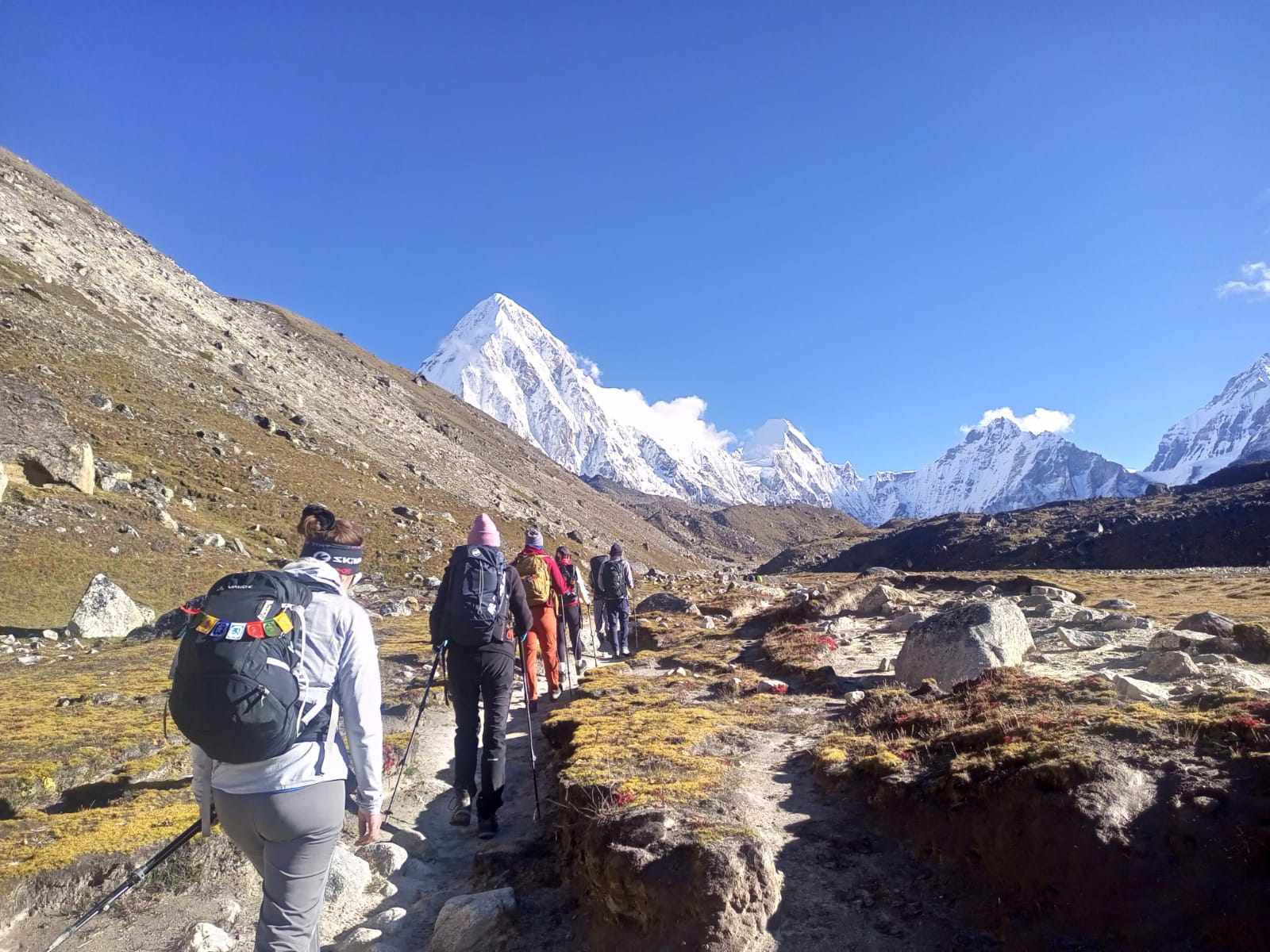
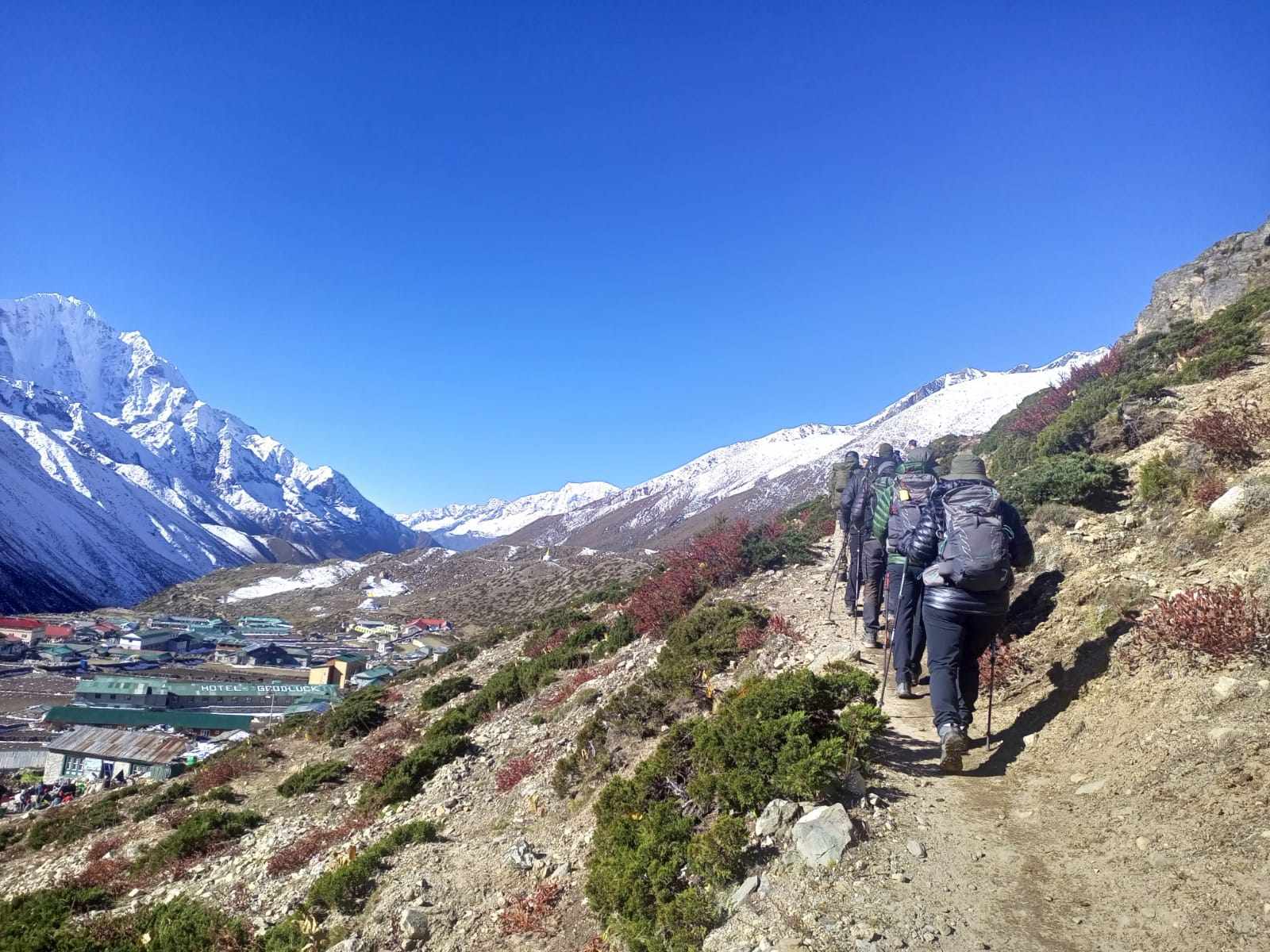
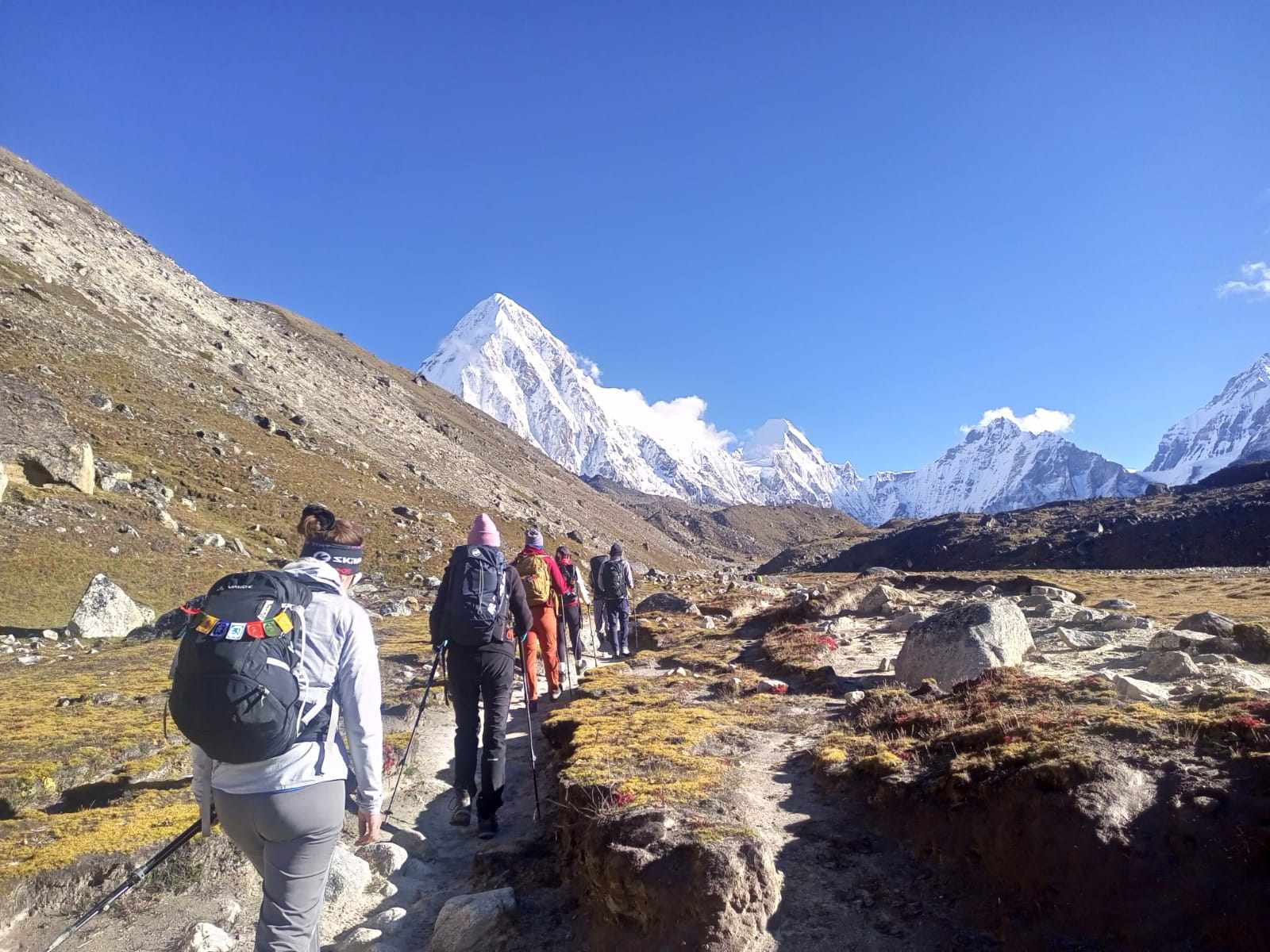
Walking together matters most when moving fast yet staying safe on the Everest Three High Pass Trek. Instead of rushing ahead, everyone matches the pace of whoever moves slowest. This way, no one gets left behind or lost across rough Himalayan trails. When steps stay aligned, talking becomes easier, and risks drop without notice. Moving as one changes how sound decisions spread through the team. Walking together keeps everyone in sync during distant stretches. When the team moves as one, the journey becomes both calmer and smoother on rough paths.
Mental Discipline for Controlled Progress
Out there, where air thins and paths twist, staying mentally steady keeps pace in check. When breath grows short, a cluttered mind might push legs too hard. Instead of rushing through high trails, quiet awareness guides each step forward. Pressure builds when altitude bites, yet stillness inside fights haste. Even with goals near, clear thinking guards against reckless strides. When things get tough, clear thinking helps make smarter choices. Staying calm doesn’t just keep risks low - it also keeps work moving smoothly.
Rest Breaks Help Maintain Steady Performance
Most people overlook how stillness fuels progress up those rocky trails. Pausing briefly every so often keeps the body from burning out too soon. Each quiet moment between steps gives muscles a chance to recover gently. Instead of pushing nonstop, slower rhythms actually move you forward more reliably. Breath evens out when you stop climbing for just five minutes. Even ten seconds of calm can reset your entire pace across thinning air. Later on, well-timed breaks keep speed from risking mistakes. Pausing at the right moments helps performance stay steady.
Finding Balance in the Himalayas
Moving carefully matters most on the Everest Three High Pass Trek. Not rushing helps keep focus sharp when paths turn steep. Staying alert to surroundings supports better choices at height. Saving strength early means having it later when the trails get tough. Adjusting pace as the air thins allows bodies time to adapt. Waiting out storms beats pushing through uncertain skies. Walking together keeps everyone in sight and sound. Calm thinking often wins where bold moves fail. Pausing regularly resets both mind and muscles. In Nepal’s far mountains, slow steps still reach distant peaks. Careful rhythm handles icy ridges without strain. Smart timing cuts danger without losing ground. Each step taken with thought adds up to steady gain. The trail rewards patience more than haste ever could. Safety first does not mean falling behind. It simply puts survival ahead of speed. Success comes more easily when risks are measured. A long journey finds its way by staying whole.

Write a comment ...