
Packed light, the Mardi Himal hike asks only for what you truly need. Though shorter than most Nepali treks at elevation, it climbs sharply through trees and along bare edges. Too heavy a load tires muscles fast; too sparse risks warmth or safety when the weather turns. Travelers with just days to spare now lean toward fewer items - less clutter means clearer views, easier steps. This way of bringing only essentials has quietly shaped how people move through these mountains.
Lightweight Compact Backpack Selection
A good start for light travel on the Mardi Himal Trek means choosing a pack that weighs almost nothing. Thirty to forty liters often works well when nights are spent in mountain lodges. Since paths climb sharply, smaller bags make movement easier while lessening pressure on your spine. These days, many hikers lean toward gear built thin and smart - materials stretch right, fit just so. How weight spreads across shoulders matters more than most think. Most folks grab just what they need when the pack is small. With more people chasing trails across Nepal, moving light makes sense on quick mountain trips.
Selecting Key Clothes for Better Layering
Start with less when it comes to clothes on the Mardi Himal Trek - bulk slows you down. One good set beats several average ones, especially where the weather shifts fast. Think in layers: something close to skin, then a warm middle piece, finally a shield against rain or snow. High ground means cold air, so smart choices matter more than extra items.
Thermal pieces that weigh almost nothing keep heat in without adding load. Fabrics drying fast beat cotton every time - they stay comfy even after sweat builds up. When clouds roll in fast across the mountains, layers that adjust beat piling on extra clothes. With each step upward, what you wear needs to work harder without weighing down your pack - today's lightest options do several jobs at once. Instead of bulk, modern hikers choose pieces built for change, fitting tightly into packs yet ready when storms hit.
Packing Just the Necessary Shoes and Gear
Most people carry too much for Mardi Himal - footwear matters most. A single strong boot often covers every stage of the path. When paths turn slick or uneven, solid tread and ankle protection keep steps steady. Instead of several pairs, just one reliable option cuts weight fast. Socks that move sweat away work better than thick layers ever did. Comfort sticks around longer if the fabric stays light and dries quickly. A cap, mitts, or shades? Best if they pull double duty without bulk. With Nepal's lofty trails opening up wider each year, hikers now lean toward gear that works harder, packs lighter.
Fewer toiletries and personal items
Most toiletries add bulk without reason. A brief trip to Mardi Himal means bringing just what keeps you clean. Tiny bottles work fine when trails rise, and showers vanish. Instead of full tubes, think smaller - less paste, bar soap, little sun cream. Space shrinks fast, so every gram counts in high country. Some teahouses on Nepal's trails offer simple wash areas, so fewer toiletries must be carried long distances. With simpler journeys gaining favor, hikers now think harder about what they pack, leaving behind anything that slows them down.
Lightweight Food and Water Gear
Most trekkers eat at teahouses on the Mardi Himal route, so hauling heavy food isn't needed. Meals come ready-made through the trail stops, which cuts down pack weight fast. Snacks? Just toss in some dried fruit, nuts, or energy bars - light but strong fuel. Water needs to stay covered with a durable bottle or bladder that you refill often. At higher elevations, every gram counts, making smart eating choices part of moving more easily. Staying fed without bulk means thinking ahead, not loading up.
Multi-Purpose Gear For Better Efficiency
Carrying things that do double duty matters most when lightening your load for the Mardi Himal Trek. Instead of stacking single-use items, pick pieces that pull extra weight - like a thin jacket giving warmth and blocking gusts at once. On rough trails, walking sticks that adapt to slope changes keep balance steady while easing pressure on legs. When paths get uneven, those small upgrades add up without adding bulk. These days, fewer backpackers bring extras - they'd rather rely on smart picks that cut clutter across high passes and steep climbs alike.
Handling Devices for Finding Your Way
Carry only what works on the Mardi Himal Trek - extra gadgets slow you down. A phone loaded with offline trails plus a spare charger covers most needs out there. Up high, every extra ounce counts; batteries drain fast in cold air. Brighten your path before sunrise or after dark with a lean headlamp - it helps where trees block light. When trails get steeper, gadgets grow smaller. Hikers swap heavy gear for lightweight tech along Nepal's peaks. With phones doubling as maps, space stays free in backpacks. Safety keeps pace when devices stay charged. Less weight does not mean less readiness - smart choices fill the gap.
Smart Packing for Better Balance
How you pack matters just as much as what you bring if you want less weight on your shoulders. With clearer routines shaping Nepal treks now, clever stowing methods lift results without adding ounces.
Simple Ways to Keep Your Trek Light and Smooth
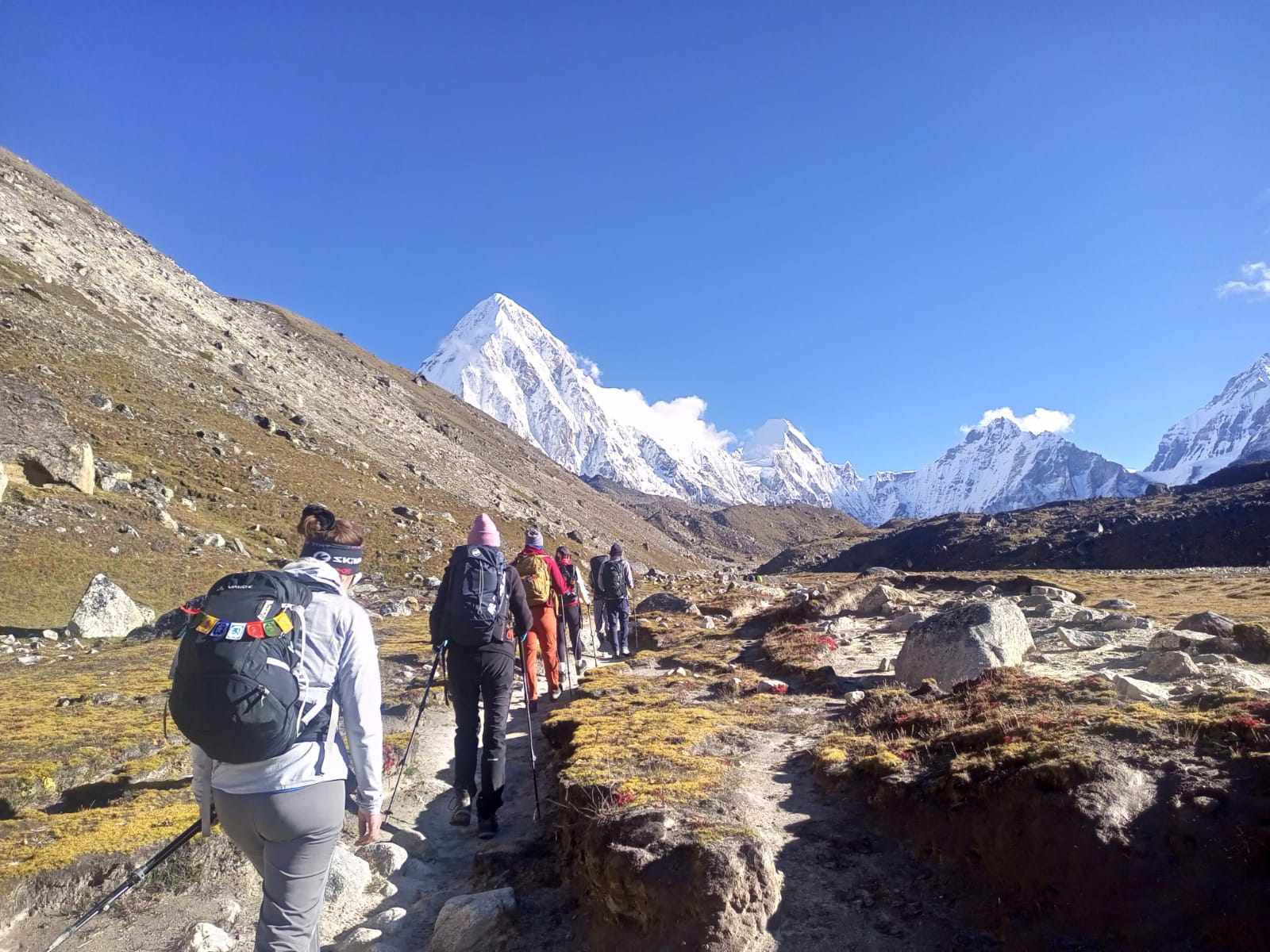
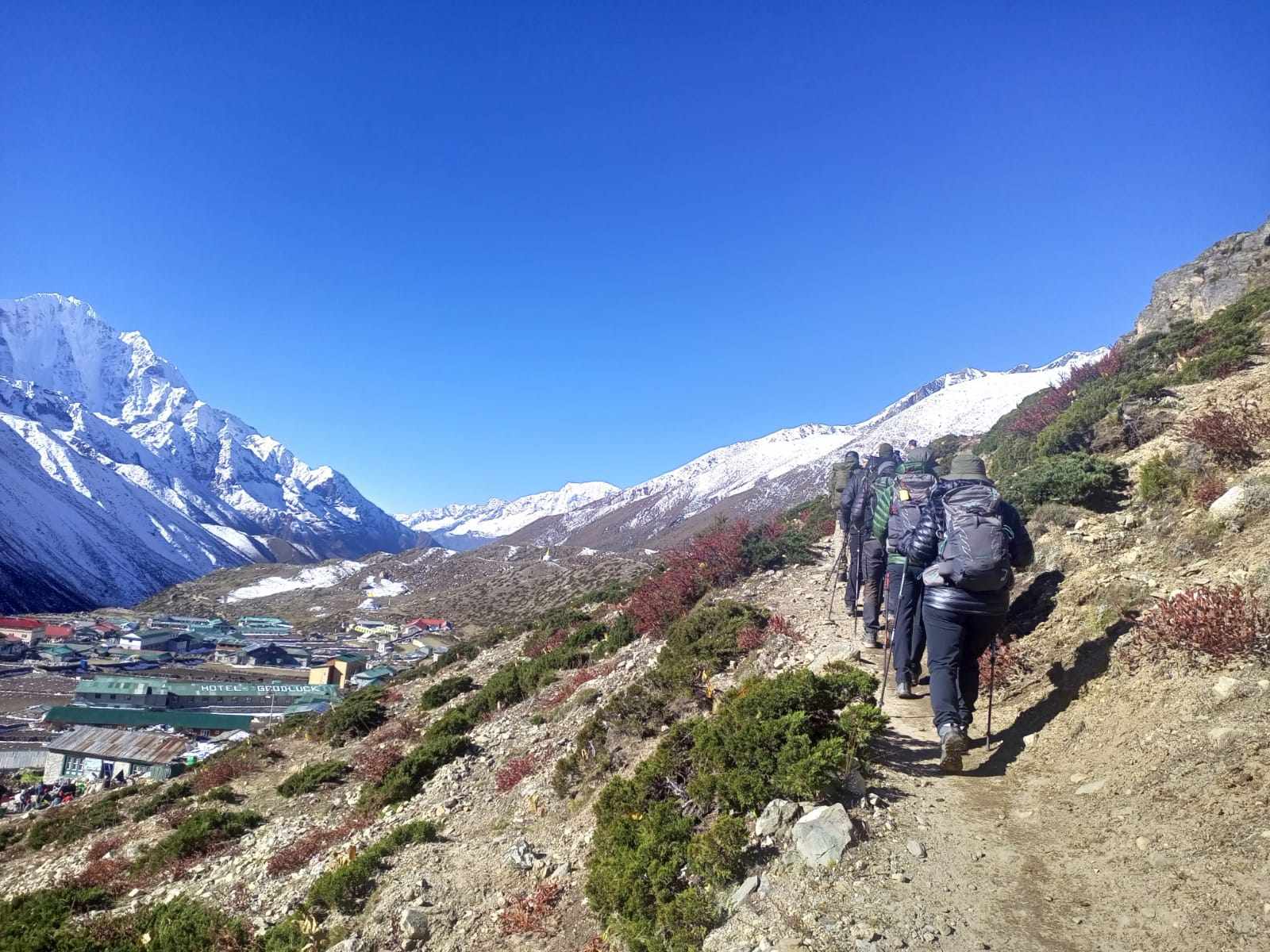
Lighter loads mean easier walking, fewer sore muscles, which is one big reason people choose small packs on mountain trails. Every item counts when paths climb fast, weather shifts suddenly, and space stays tight. Instead of bringing extra clothes just in case, many now pick versatile layers that handle cold, damp, and wind alike. Sleeping bags rated for freezing, compact tents, utensils that weigh almost nothing - these help keep backpacks lean—some start by laying everything out, then removing half, asking hard questions about each piece.
Weather changes fast up high, so protection matters - but bulk doesn't equal safety. Fewer things to manage means more attention on views, rhythm of steps, sounds above tree line. Experienced hikers know comfort hides in simplicity, not spare socks stacked in corners. The path rewards those who move freely, adapt quickly, and respond to what the day brings. Less stuff makes room for stillness, moments where altitude, silence, and effort meet.

Write a comment ...