
Getting ready for the Everest Base Camp hike means thinking hard about what to bring - it shapes how well things go. As you climb, the weather swings wildly; start in mild valleys, finish in biting cold. Gear needs to handle that shift without weighing you down. Extra stuff drags the pace, yet forgetting key pieces brings real discomfort. Being packed right keeps warmth steady, risks low, readiness high along every mile. Carrying less means simpler moves across rough paths. When the gear fits right, each step on the Everest Base Camp trail feels smoother somehow.
Selecting a Backpack for Comfortable Trekking
Start with a backpack that fits just right if you're heading to Everest Base Camp. Comfort matters most when every step counts along rough trails. Choose one built tough enough to handle long days outdoors - something between fifty and seventy liters works well. Size shifts based on whether someone else carries it partway. Padding across the shoulders eases pressure after hours of motion. Support around the hips keeps balance steady uphill.
Pockets tucked in different spots help sort gear without digging deep. Weight spread smoothly means less ache by evening camp. A sudden downpour can ruin unshielded equipment - so having a rain cover makes all the difference when storms roll through mountain passes. Though weight matters, how well a trekking backpack holds up over rocky trails often comes down to build quality, especially on extended routes near Everest Base Camp.
Packing Layers for Shifting Weather
Start with something thin next to your skin - keep sweat away when you move uphill. A middle piece traps heat if the air turns sharp without warning. Wind howls up there. Rain arrives fast. That means a tough outside coat matters more than most think. Fleece works well between layers, soft but strong against the cold. Down fills the gaps when temperatures drop past comfort. Materials that let air through stop you overheating on steady climbs. Packing smart isn’t about quantity - it’s picking what reacts as you do. When it gets warmer or cooler, changing layers helps you stay balanced. Because conditions shift so much, having clothes that work in different ways makes the trip smoother on the trail to Everest Base Camp.
Must Have Trekking Equipment
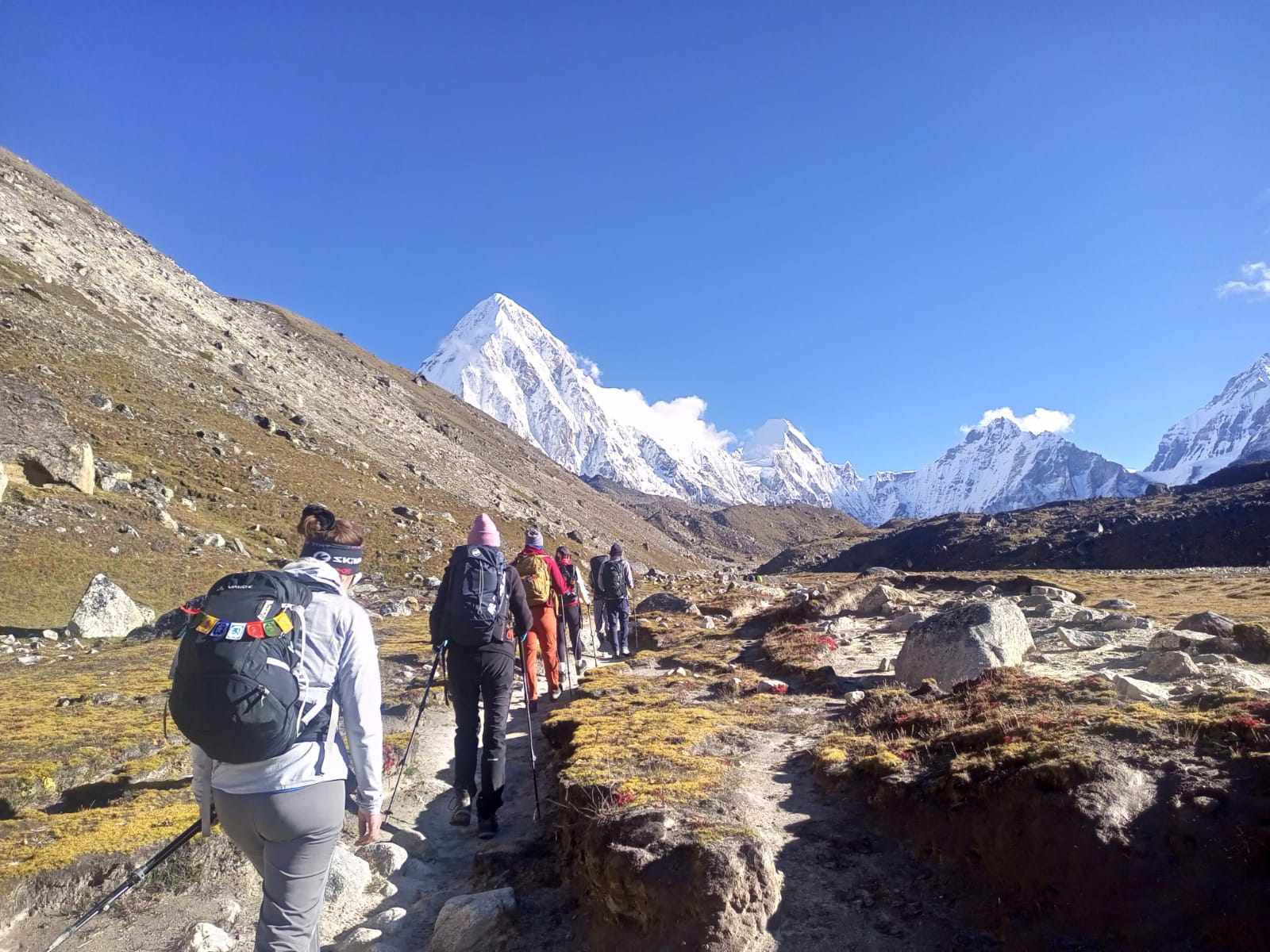
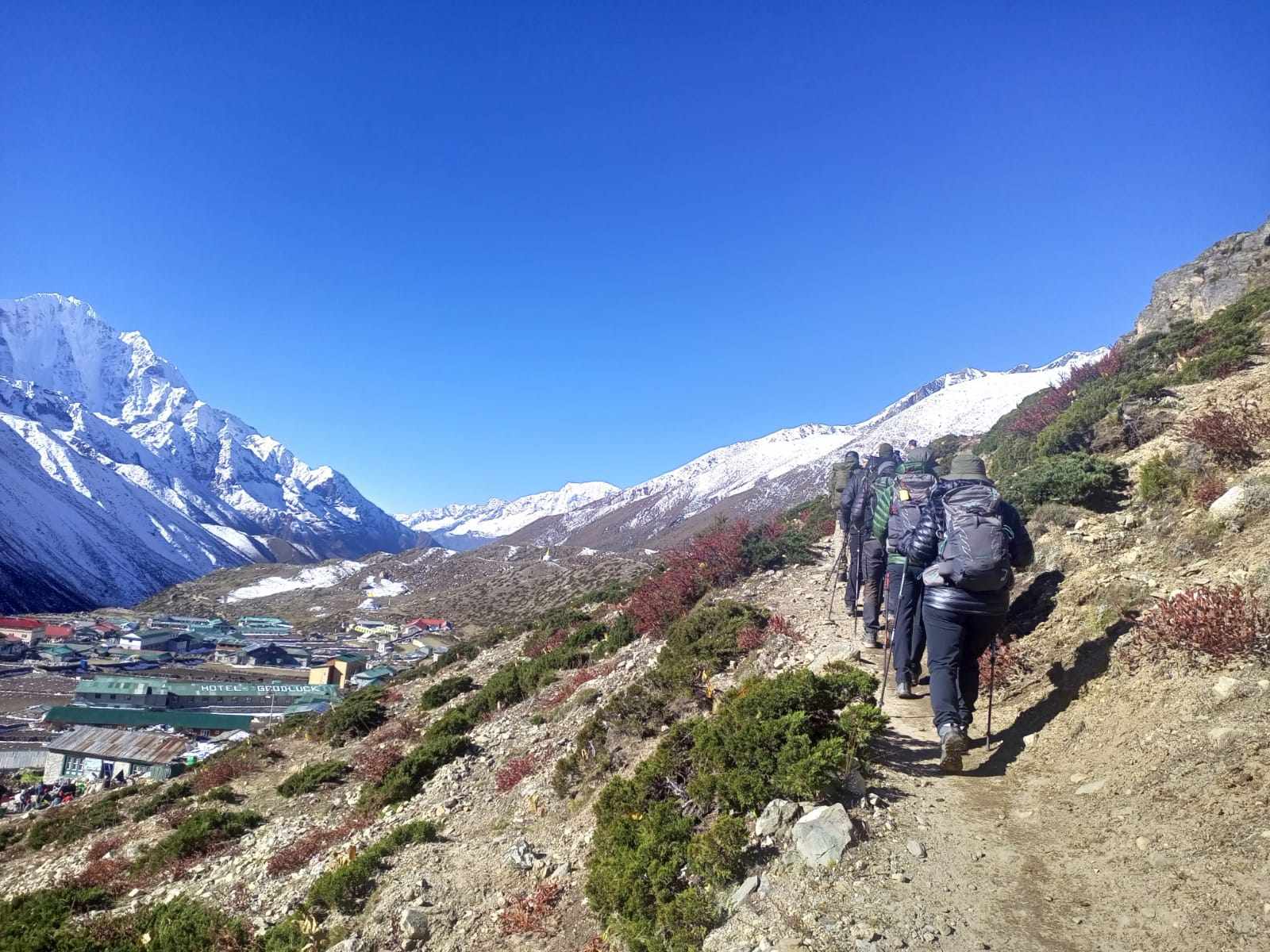
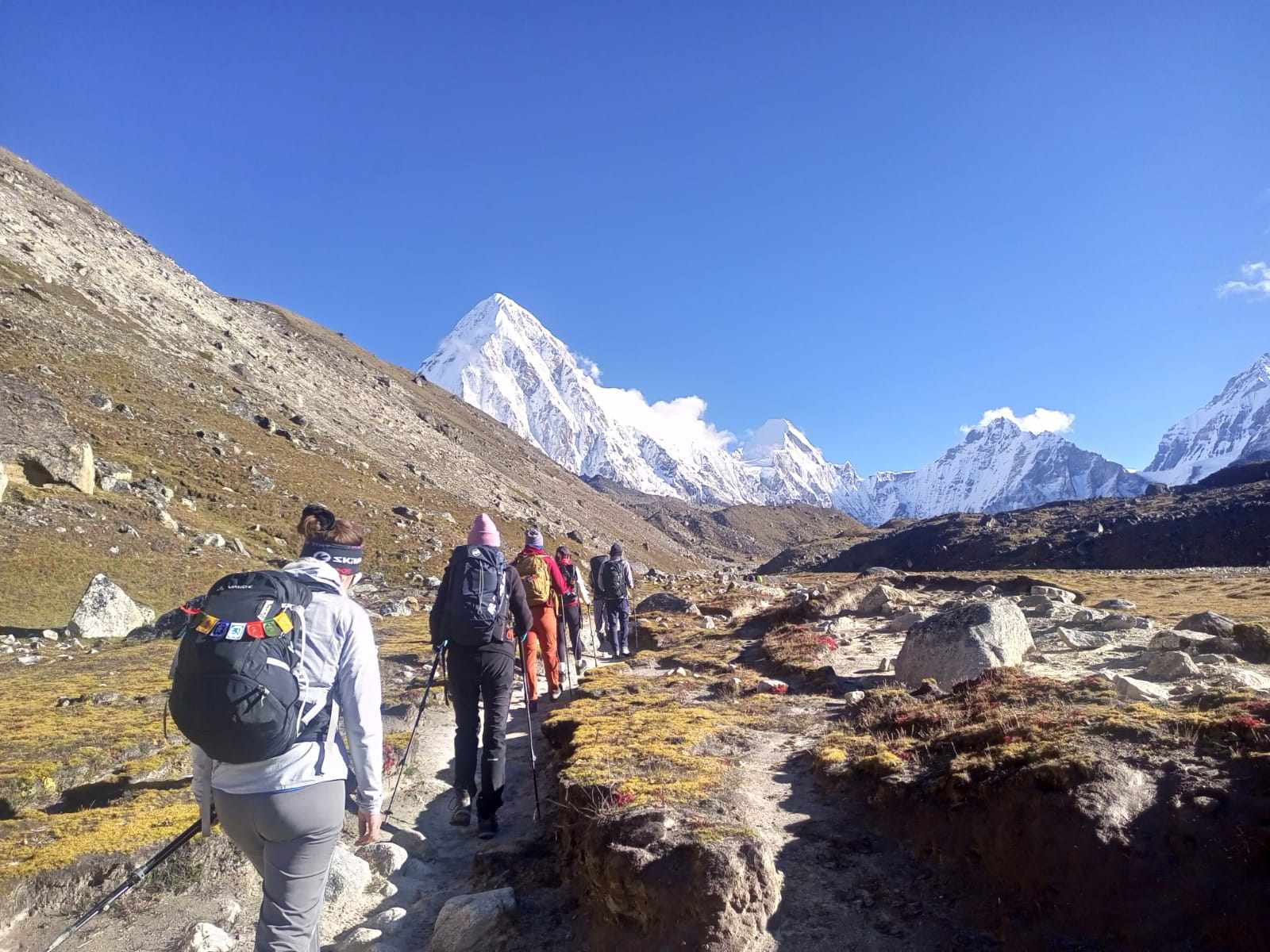
Getting ready for the Everest Base Camp hike means bringing key items that keep you safe and feeling okay out there. Sturdy hiking boots and walking sticks are often needed when moving through tough spots. Those boots work better if worn ahead of time, so your feet won’t get sore while stepping over uneven ground. Walking sticks take some load off your legs, especially when going up or down sharp slopes. When mornings begin before sunrise or nights stretch inside mountain lodges, a small front light makes things easier. When the sun beats down hard up high, shades that block UV rays plus a cozy hat keep things bearable. Should the weather turn rough along the EBC trail, having proper equipment means handling it without drama.
Handling Clothes Weight Without Packing Too Much
Carrying too much slows you down on the Everest Base Camp trail. Most people bring shirts and pants they never wear. That bulk piles on the strain. Think light, think dry fast, think useful more than once. A couple of outfits will do - washing spots pop up now and then in small towns. What matters most fits without weighing you down. Heavy bags drain energy better saved for walking. Heavy packs drain energy faster on long trail days. Carrying less means moving more easily up high paths. Wise choices in gear weight help keep steps steady toward base camp.
Packing Personal Hygiene and Health Items
Wet wipes, hand sanitizer, sunscreen - these things matter more than most think on an Everest Base Camp trek. Hygiene slips away fast when running water disappears up high. Instead of just tossing in toothpaste, pack lip balm too; wind burns skin by midday. Showers? Forget them past certain points. That means baby wipes become lifelines at camp after dark. Painkillers help headaches that arrive without warning. Bandages patch scrapes from rocky paths. Altitude medicine must be ready even if you feel fine now. Sunscreen reapplication stops sunburns before they start. Toiletries fit into tiny bags but make big differences later.
Clean hands come from sanitizer squirts between meals. Some skip these, then regret it once trails stretch longer. Small kits prevent the problems bigger ones cause. Staying well on the trail means paying attention to small things first. When elevation climbs, clean habits matter more than most expect. Freshness isn’t just about feeling good - it shapes how your body copes up there. Little routines add strength when the air gets thin. Careful steps today prevent bigger problems later how you treat yourself daily shows in every uphill breath.
Smart Ways to Arrange Food and Water Supplies
Most meals come from trailside tea huts on the way to Everest Base Camp, yet tossing in a few lightweight nibbles makes sense. To drink safely, toss in filtered straws or chemical drops that clean stream flow. Water matters more when you climb higher - your body loses it quicker up there. Keeping meals and drinks within reach helps maintain steady strength on the long path to Everest Base Camp.
Packing Electronics and Travel Accessories Efficiently
Packing electronics properly matters a lot on the way to Everest Base Camp. When village outlets are few, a power bank becomes your best bet for keeping things running. Dust and damp love sneaking into gear - so wrap cameras or phones in tough waterproof covers. Charging spots might cost more than expected - or just fail when needed most - which makes spare batteries worth their weight. When you stay in teahouses, a universal adapter might come in handy for powering up gadgets. To keep things light on the trail, bring only essential electronics - and pack them securely. That way, comfort doesn’t mean extra load.
Weather Protection and Emergency Supplies Ready
Out there, storms can roll in fast - so having gear that handles rain matters most. A jacket made to block downpours pairs well with layers built against biting winds. When temperatures drop hard, insulated clothes keep heat close. Unexpected trouble? That is when small tools make space for survival. Sound carries far - a whistle helps others find you. Light after dark comes from a dependable torch.
Smart Packing Tips for Everest Base Camp Trek
Start light if you want to move easily up high. A good pack fits well, nothing more, nothing less. Layers stack better when they work together through changing weather. What you wear matters most when nights turn sharp and thin. Skip heavy extras - each ounce counts after hours uphill. Water stays close, clean hands stay possible even off-grid. Safety lives in small things others forget to bring.
Comfort hides where weight meets purpose. Pack it once, trust it every step. Starting strong means knowing what to bring matters more than most think. Hauling gear up rugged trails tests every choice made back home. Sharp views stretch forever once altitude stops stealing breath. Success hides in small things packed early on a quiet morning. Enjoyment grows when weight stays low, and layers work well together. Tough paths reward those who plan before boots hit dirt.

Write a comment ...