
Getting ready for the Everest Three Pass Trek means training hard because it ranks among Nepal's toughest high-altitude hikes. Crossing Kongma La, then Cho La, followed by Renjo La, pushes any hiker's strength to the edge - these are not gentle mountain walks. Steep climbs stretch day after day, paths wind through wild terrain where oxygen thins fast, and rest comes rarely under open skies. Pushing forward without solid fitness might leave a person drained, sluggish to bounce back, or struggling to breathe up high. A smart practice plan builds what matters: steady lungs, resilient muscles, sharp balance - all needed when walking narrow ridges at great heights. Confidence shows up only if preparation has already done its work behind the scenes.
Improving Heart Fitness for Mountain Walks in Nepal
Walking strong for hours up high starts with a tough heart and steady breath. When the air gets thin on big mountains, only those used to hard effort keep moving well. Short bursts of speed followed by slow recovery mimic sharp slopes near Everest peaks. Tough hills demand rhythm, patience, and strength held deep within. Most days out on long trails, feeling less tired comes down to how well your heart and lungs work together. When you keep up regular endurance exercise, handling steep climbs gets easier over time. Crossing tough mountain crossings on the way through Nepal's high country asks a lot from your muscles and breathing. Staying fit means bouncing back faster after each day above tree line.
Leg and core strength training
Walking up and down rough paths in the Everest area demands tough legs built through resistance work. Because trails stay uneven underfoot, solid thighs cut pressure on joints during long climbs. Moving with a pack on narrow mountain slopes asks for a steady core power to keep you upright. Squatting motions build the stamina needed when stepping onto higher ground repeatedly. Lunging forward works each leg separately, mimicking real trail movement patterns. Step-ups train your body to push upward against gravity day after day. Planking helps tighten deep muscles that support posture over time. Out on the trail, muscles work together, not apart - so training should too. Instead of single-joint lifts, movement-based exercises build readiness for uneven terrain. When legs push through snow or rocks, stability matters as much as power. Day after day, fatigue fades if the body knows how to move efficiently. Strong joints handle strain better when climbing high above the tree line. Over time, coordinated effort beats brute force on steep ascents. With every step across icy ridges, preparedness makes the difference.
Hiking Practice for Real Trekking Simulation
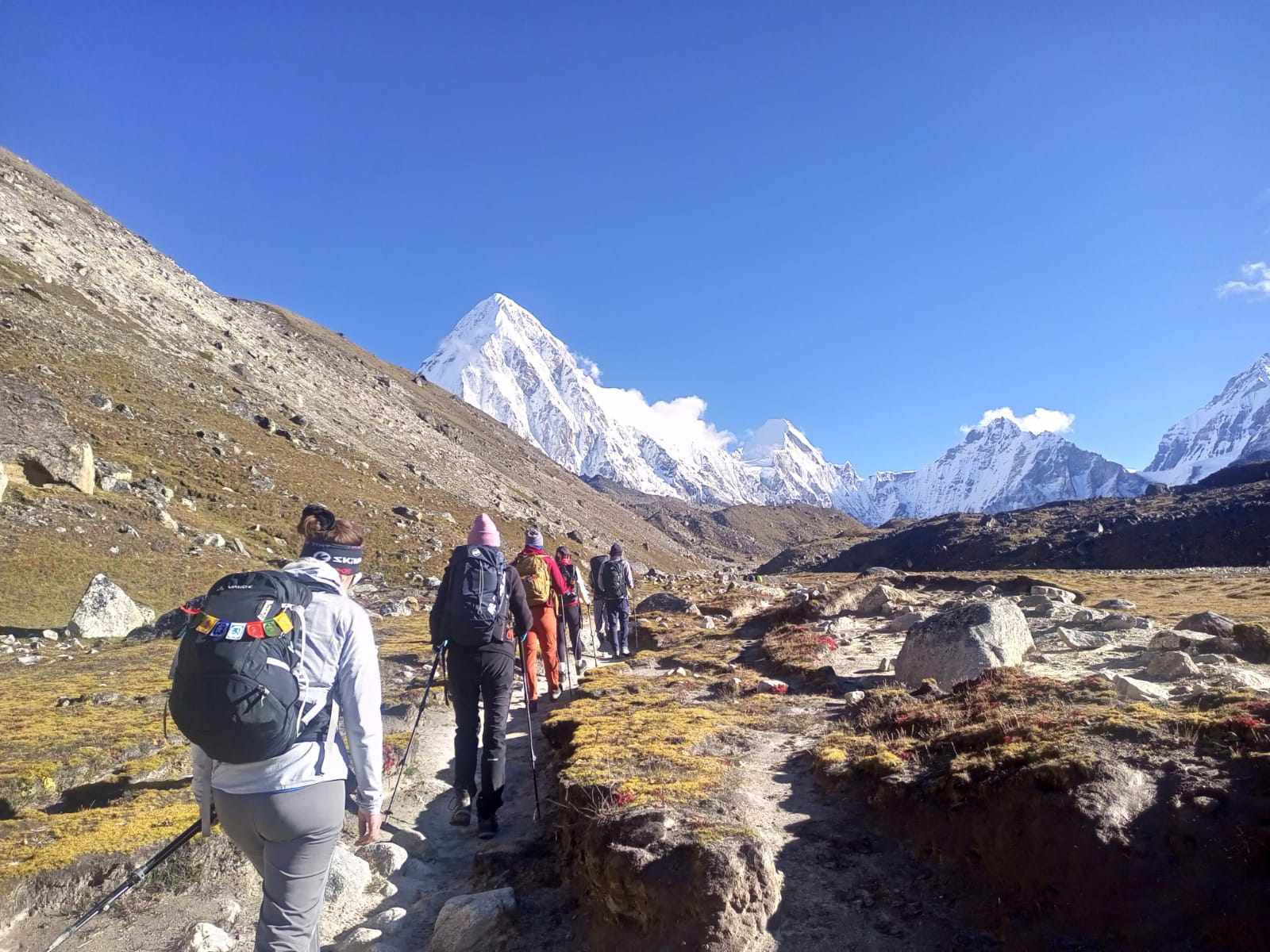
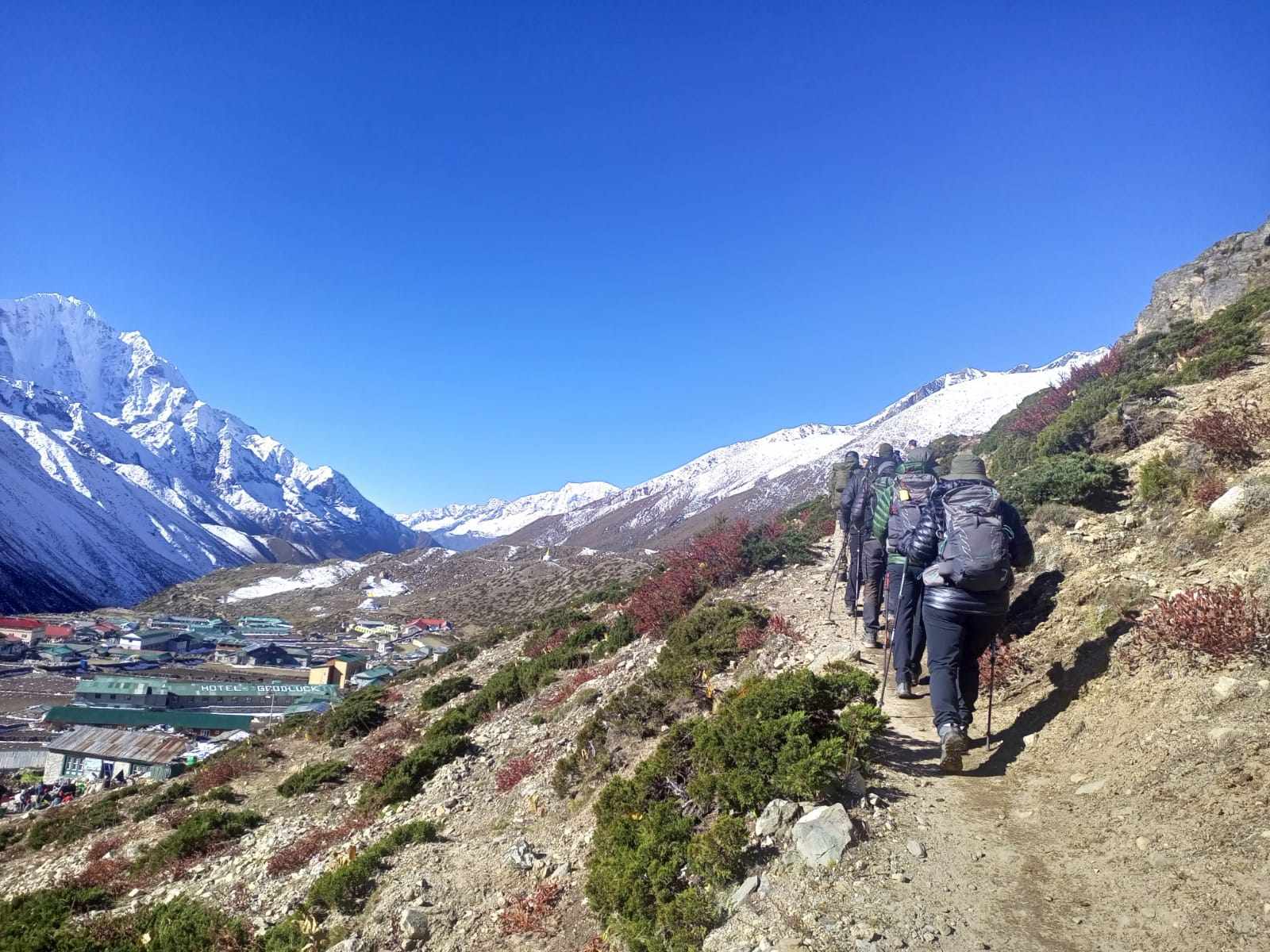
Start strong by walking uphill whenever possible - it shapes your legs and breath just right. Hills near home act like distant mountains, giving you a true feel without leaving town. A loaded pack each time teaches shoulders and hips how to hold steady under weight. Instead of rushing, add height slowly so lungs learn thin air step by step. Muscles begin expecting climbs much like those icy paths over Kongma La, Cho La, and then Renjo La. Tough slopes stop feeling strange when practiced well ahead. Walking often builds endurance, stability, and stronger thinking under pressure. Outdoors practice like this gets the body ready - handling tough ground, thin air on the way across Everest's high passes.
Understanding High Altitude Adjustment
Most people heading into the Everest passes overlook how crucial it is to understand acclimatization. While your body primarily adapts in the trail, preparation shortens that transition in an area where you've already lost 50% of the oxygen. Hiking higher up in the days before your journey teaches your body to make better use of oxygen, and so once above 3,000 meters, it will make less demand for it. Instead of heading straight for the summit, these slow climbs move us forward in small chunks over a few days. This data will change the game when help is likely far away; being aware of an early warning sign of altitude sickness or other types (a headache and nausea at higher altitudes, for example) is key. To be slow most days creates a routine that matches your high body's way of changing. The risk of you crossing all three big mountain gaps is much lower once you know what happens as the air thins out.
Breathing Methods at High Elevations
Up high in places like the Everest region, air becomes a blade. Now, that means your body is getting less oxygen. Deeply, slowly breathing enables a sizeable amount of it into your lungs.
This kind of breathing also keeps tiredness at bay while moving through tough terrain. Match each step with a smooth inhale and exhale to build lasting strength on uphill paths. If breath becomes short or fast, energy drops sooner than needed. Learning how to manage airflow makes a clear difference when climbing above base camps. Breathing steadily while pushing your body builds staying power plus sharp thinking. When tackling steep mountain crossings on the Everest Three Pass Trek, control matters most because the air gets thin up there.
Mental Conditioning for Extreme Trekking Challenges
Some folks overlook how much mindset matters on the Everest Three Pass Trek, yet it shapes every step through Nepal's high trails. Long stretches on foot come paired with biting winds, steep rises - these test more than muscle. When exhaustion hits, a steady head keeps bodies moving forward. Pushing through sluggish movement, dealing with thin air - that demands grit, not gear. Imagine reaching each landmark before you do; picture the rhythm of breath at height - it builds nerve. Focus on small markers while prepping can quietly toughen resolve. When tiredness hits, a steady mind keeps the steps going. Pushing through high-altitude strain often depends less on muscle, more on thought patterns shaped over time. Tough landscapes test resolve as much as fitness, demanding inner balance alongside breath control.
Nutrition and Recovery in Physical Prep
Start strong with good food if you want to handle the Everest Three Pass Trek. When altitude challenges your body, fuel matters more than most think. Think lentils, eggs, or lean meat after a hard session on rough terrain. Fats? They keep energy stable through slow-burning heat, like nuts or avocado spread thick on bread. Water moves through you all day, not just at lunch; sip often even when thirst stays quiet. Without enough fluid, exhaustion creeps faster up steep paths. Let rest days breathe between efforts instead of pushing nonstop - healing happens then. Muscles rebuild only when given stillness, not constant strain. Strength grows where balance lives. Resting well lifts your whole fitness level, readying muscles and mind before tough hikes through Everest's trails. When meals fuel you right, and rest follows smart patterns, gains grow without breaking down - key for crossing high passes on that long trek.
Injury Prevention Through Flexibility Training
Every step on the trail tests your body, especially when heading into Everest's three pass zone. Rough ground underfoot can wear down joints and tire out leg muscles fast. Moving well starts with daily stretches that keep limbs loose and coordination sharp. Strong support muscles around key areas like knees take pressure off during long uphill climbs. Starting slow each time you head out gives tendons and bones time to adapt. Stiffness fades when motion becomes routine. When you notice how your body feels while exercising, it helps avoid pushing too hard. Staying aware like this keeps strength steady over time, especially before tough trips such as crossing the three high passes on Everest.
Everest Three Pass Trek Ready Body Prep
Start slow, then build up stamina through steady cardio work. Hiking on uneven ground shapes the legs while toughening resolve. Strength drills matter just as much as time spent outdoors. Breathe deep when trails climb - rhythm keeps energy flowing. Latitude does not forgive unprepared minds or bodies. Flexibility guards against slips, strains, and falls. Each step forward grows tougher if lungs lag. Starting strong means knowing what lies ahead - this journey across three high passes demands more than just willpower. Not ready yet? That's fine, because steady practice shapes real readiness over time. One step at a time builds legs that can handle rocky ascents and thin air alike. Success comes from daily choices: long walks, elevation drills, breathing routines. Beauty waits beyond the struggle - the sharp peaks, silent valleys, morning light on snow - all earned through persistence. Fewer shortcuts mean stronger feet when trails get steep.

Write a comment ...