
When heading to Everest Base Camp, keeping cameras safe matters just as much as capturing those sharp mountain views. Cold air bites at electronics, while sudden shifts from freezing trails to warm teahouses risk fogged lenses. Snow finds its way into every gap, and dry air invites static like an unwelcome guest. Power fades fast when temperatures drop - screens respond slowly, if they work at all. Moisture creeping inside after warmth returns might spell the end for delicate circuits. Think of terms like Everest Base Camp photography tips or cold-weather camera protection - they point toward real solutions, not search tricks. A well-prepared setup keeps functioning even when a few devices are down.
Camera gear that works in cold, high places
Starting with solid gear sets the stage when getting ready for photographing at Everest Base Camp. When snow flies and winds bite high up there, sealed bodies keep working without fuss. Instead of bulk, many go light - mirrorless or small DSLRs hold up well on foot through icy paths. Built-in zooms help lenses dodge grit and damp sneaking into moving parts on rocky climbs.
When shooting near Everest Base Camp, picking the right camera matters a lot. Cold weather tests every piece of gear you bring along. A solid setup handles freezing winds without failing mid-shot. High peaks demand tough equipment that keeps working. Mistakes in preparation show fast where oxygen runs thin. Trusted tools make the difference between clear images and lost moments.
Battery Performance in Extreme Cold Mountain Climates
Battery life drops fast when it's cold, especially on the trail to Everest Base Camp. Cold slows lithium-ion cells, making cameras quit early despite the charge left. Warmth keeps spares working - store extras close, under layers. Switching them out now and then means never missing a shot. Freezing temps eat through power fast, so bringing extra cells keeps gear alive on long hikes. Photographers often look up how to keep cameras running Everest's base. Cold drains energy quickly - packing smart helps avoid dead devices mid-shot. Survival of tech in high-altitude trails depends heavily on how well batteries are stored and warmed between uses.
Stopping Moisture Buildup When Temperatures Shift
Inside camera equipment, dampness sometimes shows up when shifting from chilly mountain air into cozy lodges near Everest Base Camp. Moving from freezing zones to heated rooms risks fog forming behind the lens glass or within the body of your device. Bags that lock out air work well if used ahead of stepping indoors - they slow down how fast things warm up. Slower changes in heat mean less chance for droplets to gather shouldn’t.
Gear tucked away like this avoids harm caused by tiny water particles reaching delicate circuits. Camera gear faces tough challenges near Everest Base Camp. Sudden shifts in warmth and chill invite foggy lenses, a real headache for photographers. Staying ahead of dampness means thinking steps ahead each time you move between zones. Gearing up properly makes all the difference when in Nepal's high mountains. Pinstation isn’t just smart - it becomes essential once frost nips at your kit.
Shielding lenses against dust, snow, and wind
Midway through a Himalayan hike, swirling dust and icy gusts test every piece of gear you carry. Lenses take the brunt, facing snowflakes, grit, and relentless wind - all capable of dulling shots or harming glass. A shield-like filter guards against scrapes, plus keeps dampness at bay without dimming clarity. Shadows cast by lens hoods cut glare under harsh alpine sun, even slowing how fast frost builds up.
When fog rolls in or sleet strikes, having soft cloths within reach means smudges vanish in seconds. Out on the trail, dust kicks up fast near Everest Base Camp - lens filters help block grime. When fog rolls through the Himalayas, cold air clings to gear; keeping glass dry matters more than most think. Through wet passes and sudden sun, a tight seal around each lens keeps shots clear. Even small shakes across rocky paths can loosen parts inside - pack snug. Over Nepal's walking Nepal’s slopes, clean optics mean fewer blurry frames at summit views.
Keeping Cameras Safe on Long Hikes
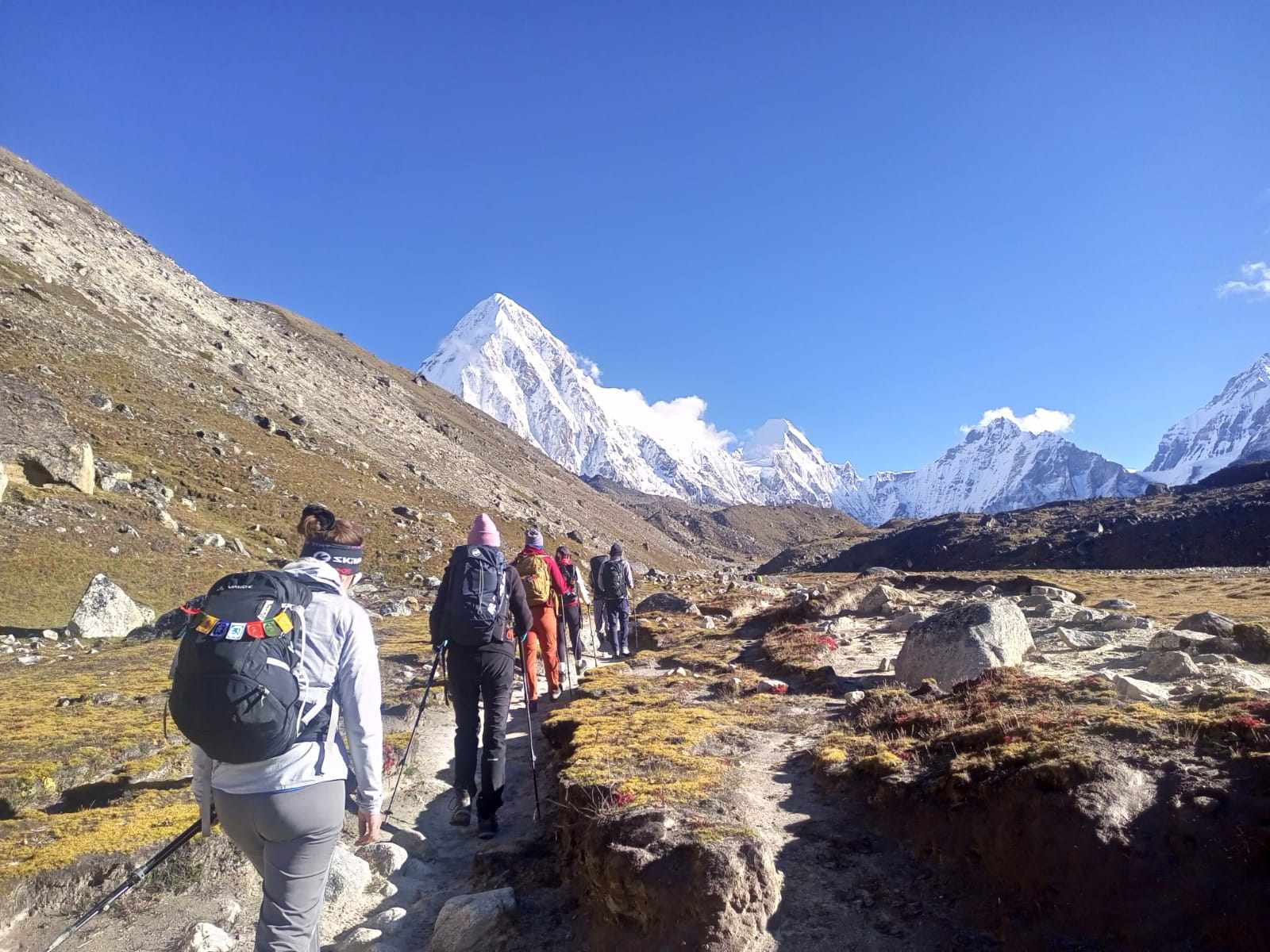
Out on the trail toward Everest Base Camp, keeping gear safe means thinking about how it’s stored and moved. Bumpy paths beat down on equipment, so padding inside packs softens each jolt. Covers that block water come in handy when clouds drop snow without warning. Instead of digging through a main bag every time, some choose cross-body pouches for faster reach. Fewer openings, fewer risks. Midway up a mountain pass, keeping your camera gear sorted makes life easier. When trails get rough, having a solid setup means less stress on the move.
Think about how often drops happen - protection matters more than most realize. Through rain or dust, sealed compartments keep electronics working right. On long hikes across Nepal, smart packing choices add up fast. Even small shifts in weight balance affect comfort after hours of walking. A well-designed bag handles altitude changes without failing. At base camp and beyond, reliable access to lenses saves time when moments matter.
Managing Camera Delays and Slow Performance in Cold Conditions
Most electronics act up in the bitter chill along the Everest trail. Shutter lag creeps in, focus drags, and sometimes devices just quit without warning. Body heat becomes a quiet ally - tuck gear under layers between uses. Pauses between frames give circuits breathing room. Cold tests machines more than people expect. When cameras slow down near Everest Base Camp, cold is often the culprit. Though altitude adds stress, preparation can reduce glitches in shots. Because gear behaves differently up high, knowing how to adjust matters most. Instead of relying on settings that work at sea level, testing changes step by step improves outcomes. Even minor tweaks - like warming batteries before use - make a difference when temperatures drop. While some delays seem random, they usually trace back to environmental strain. So, adapting methods ahead of time supports clearer captures across harsh terrain.
Weatherproofing Methods for Changing Himalayan Weather
Out in the open near Everest, gear must face unpredictable skies. Rain shields that weigh almost nothing guard equipment when clouds roll in fast. Instead of relying on luck, hikers tuck cameras into sealed sacks before flakes start falling. When the air turns damp, even on sunny days, those little protective steps matter most. Hidden inside storage zones, desiccant cubes quietly pull water from the atmosphere. Preparedness sticks close, no matter how blue the morning sky looks.
When snow hits high trails, having a camera that handles damp cold matters most. Through storms near Everest Base Camp, sealed cases guard against frost and fog just like they do on lower passes. Though rain shows up fast here, tough covers keep electronics working without surprise shutdowns. Because wind drives ice into seams, zippers need tight seals much like those on mountaineering jackets. Even when dust clouds rise behind boots, filtered vents still let heat escape slowly. While mornings stay sharp and brittle, insulated bags protect lenses better than bare pockets ever could.
Staying Warm While Taking Photos in the Cold Himalayas
Dust climbs everywhere at high altitudes, meaning filters stay useful even beyond sunny days. Batteries drain faster uphill, and surprise drops happen regardless of brand promises.
Shelter comes first - not just for people but delicate circuitry tucked inside packs. High winds demand snug zippers, loose flaps invite grit where lenses least need it. Sunrise light hits sharply here, worth waking early if devices still respond after night time chills. Forget perfect shots, aim for steady progress instead - gear that survives often captures enough. Mountains do not care about megapixels, yet clarity finds its way through resilience.

Write a comment ...