
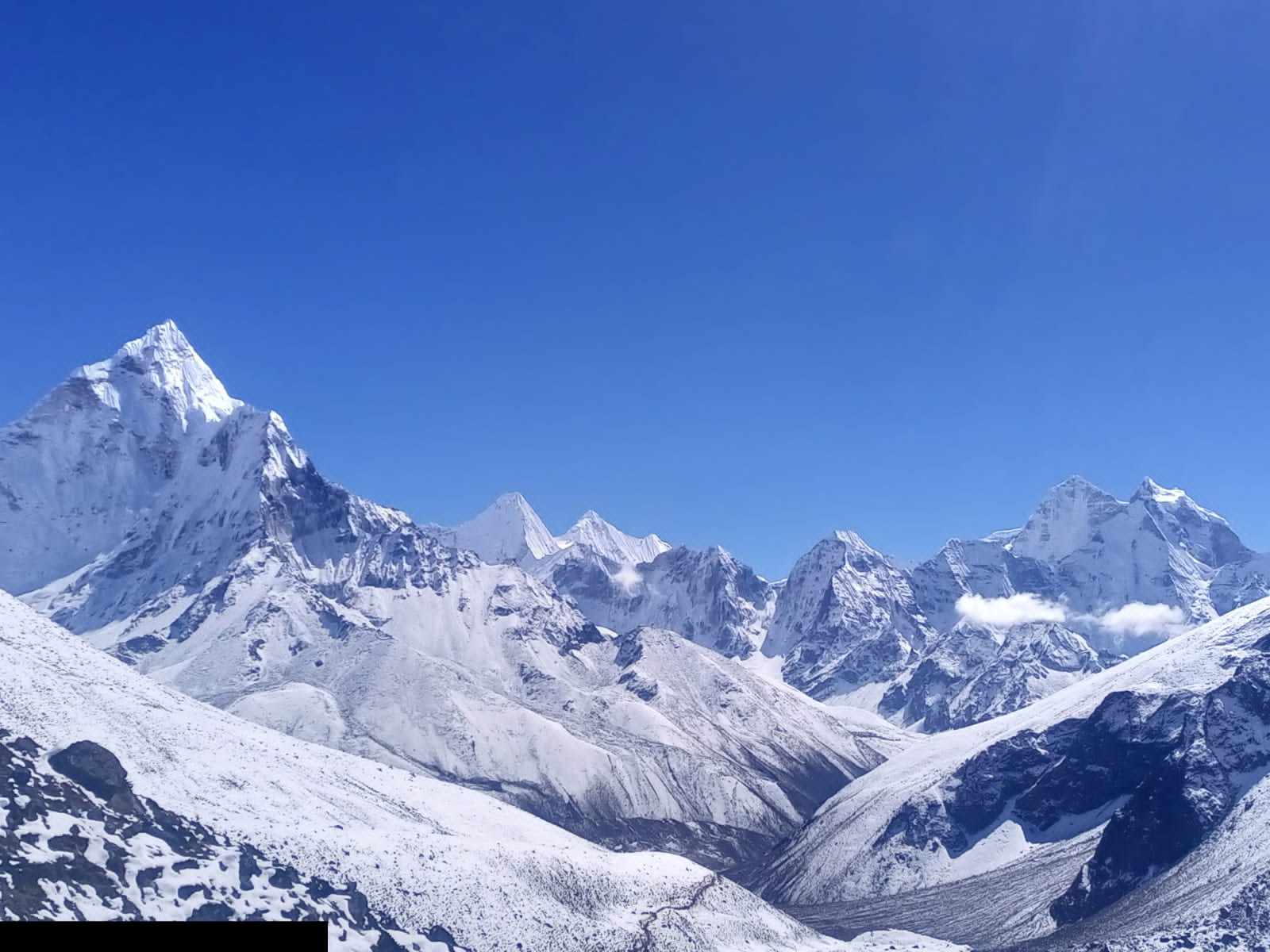
Up in the high Himalayas, the journey across three mountain passes kicks off - not slow, but straight into effort. Over Kongma La first, winding onward to Cho La, then climbing finally toward Renjo La at the end. Linking these climbs are well-known spots: Everest Base Camp shows itself along the way, while the Gokyo Lakes lie tucked between summits, still and mirror-like.
Lately, more people aim for steep trails far above sea level - this one delivers shifting ground beneath boots and air that leaves you short of breath. Where it all starts matters a lot; decisions there shape flights booked, paperwork sorted early, days adjusting to sky-thin oxygen. Wrong steps at the start pull tension close behind. Listening happens here - not just hearing - through how bodies prepare, honor pace, through steady breath before motion begins.
Lukla Base Start
Lukla, a tiny spot on the map, kicks off the Everest Three High Pass journey deep in Nepal’s Khumbu region. At its rim stands Tenzing-Hillary Airport - quiet yet humming with boots bound for high paths. Travelers spill from planes, then move toward Phakding before pushing onward to Namche Bazaar - a hub shaped by altitude adaptation. Its slow climb helps bodies adjust, which explains why so many keep returning. Smaller steps upward cut sudden strain when entering breath-thin slopes tangled along rugged ground.
Flight Kathmandu to Lukla
Above ridges, a quick flight from Kathmandu drops travelers into Lukla. White mountain peaks spread wide below on that half-hour climb through air. When fog rolls in - often with rain or cold months - planes wait silent on tarmac. Plans shift fast if the weather turns, though reaching here brings a stillness hard to name. After engines fade into the distance, something shifts - steps fall slow, matched only by rock and open height.
Alternate Path Through Salleri or Phaplu
Once on the ground, the actual trail begins - less rushed than air travel, yet reliable. Though it takes longer than touching down directly in Lukla, that fact can’t be ignored. Upward steps give most folks a smoother time adjusting to high places. Skipping airport chaos turns out to be nice for many travelers. Storms wreck plans more than anyone likes; tiny landing strips bring extra headaches. That is why walking the full stretch wins favor steadily among hikers.
Arriving in the Khumbu Region
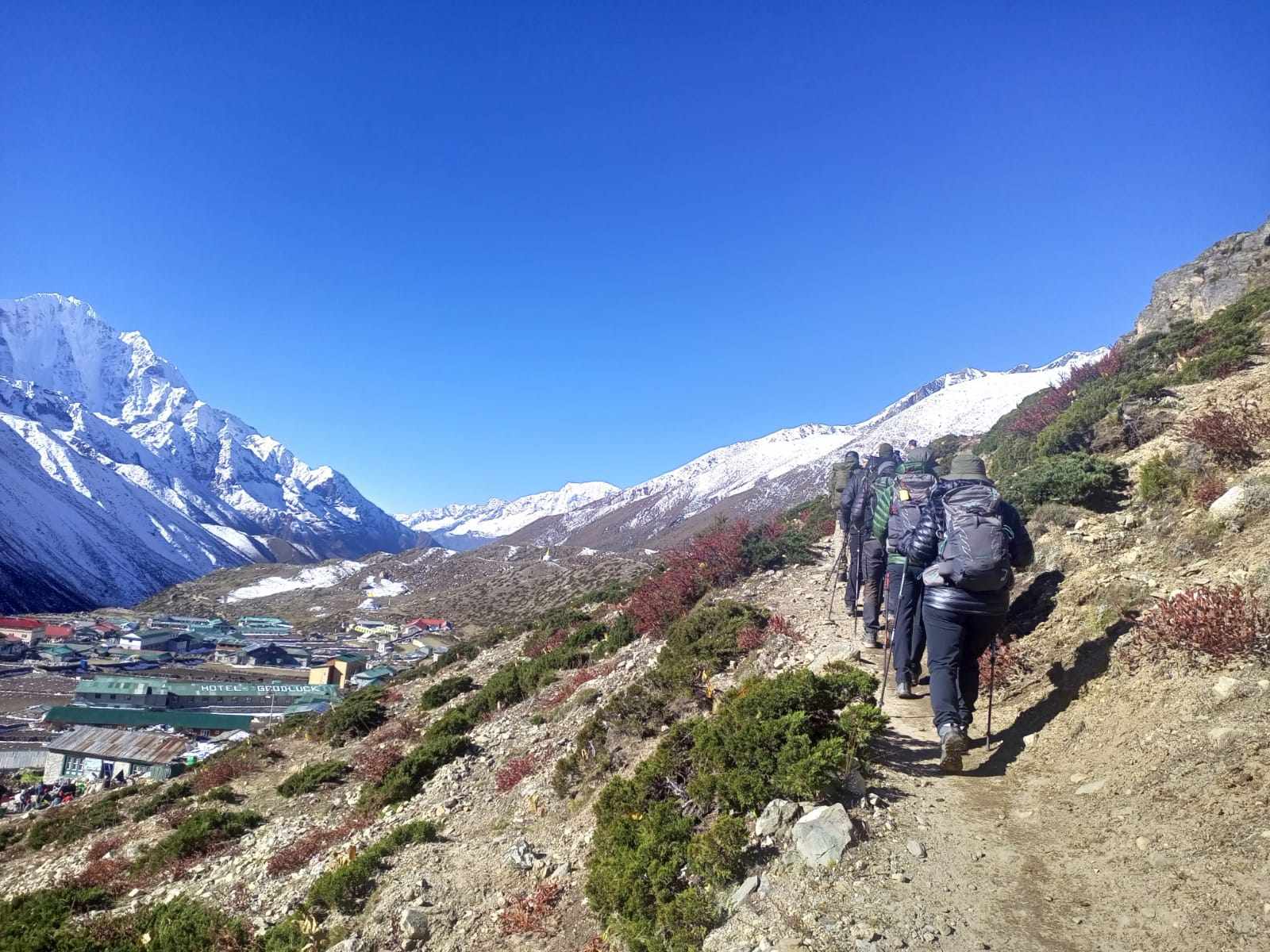
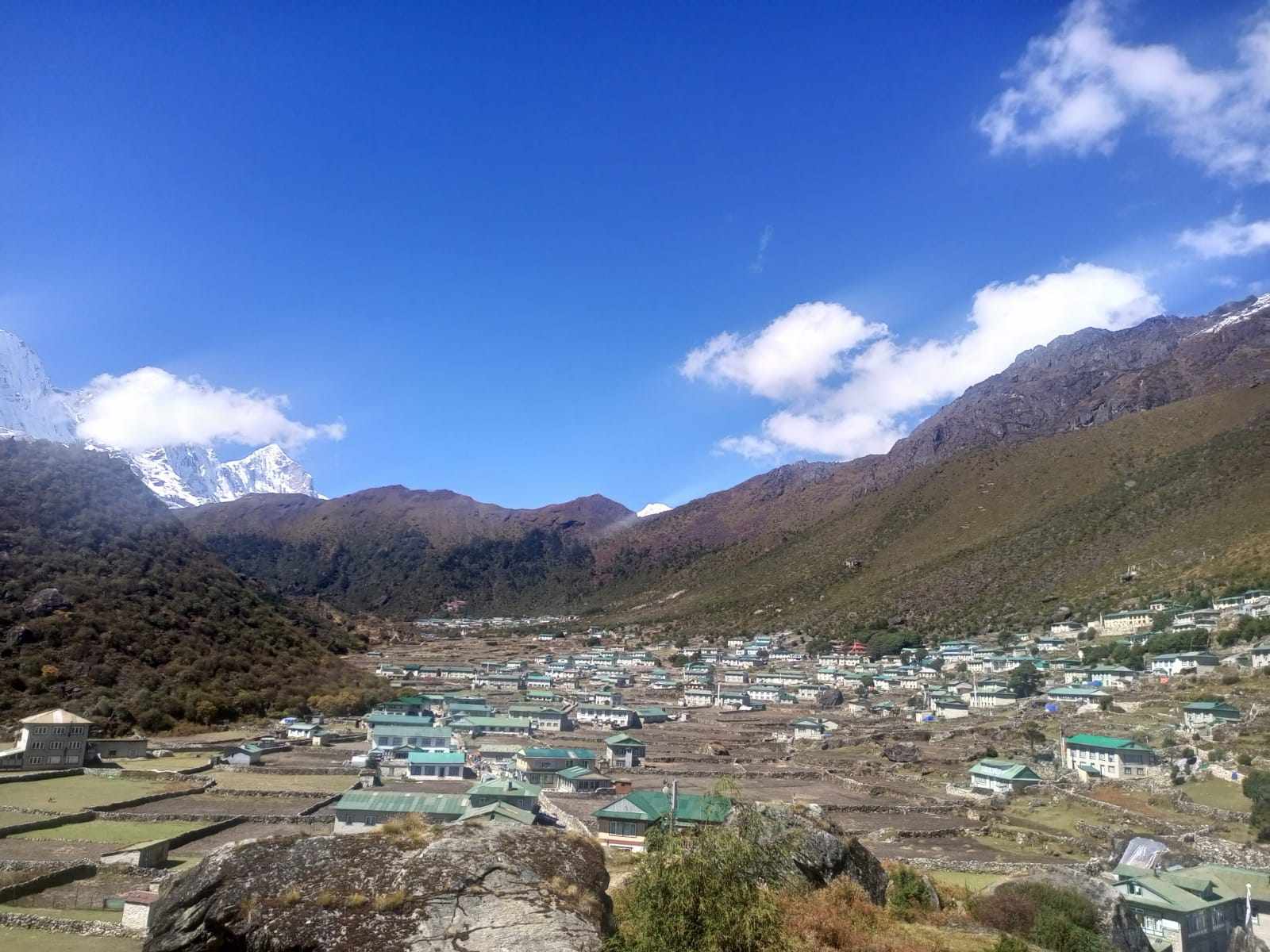
Over Lukla, paths slip into Khumbu - lands of Sherpa roots and peaks stabbing skyward. Moving ahead leads through Phakding, then rising ground draws steps up toward Namche Bazaar. Each footfall lifts higher, slow but steady. After that, Tengboche appears, followed by Dingboche, air thinning as breath grows heavy. Trails aimed at Everest wind here, especially ones looping the Three High Passes route. The body adapts fast, setting pace for distant slopes and high hollows beyond.
Three High Pass Trail Link
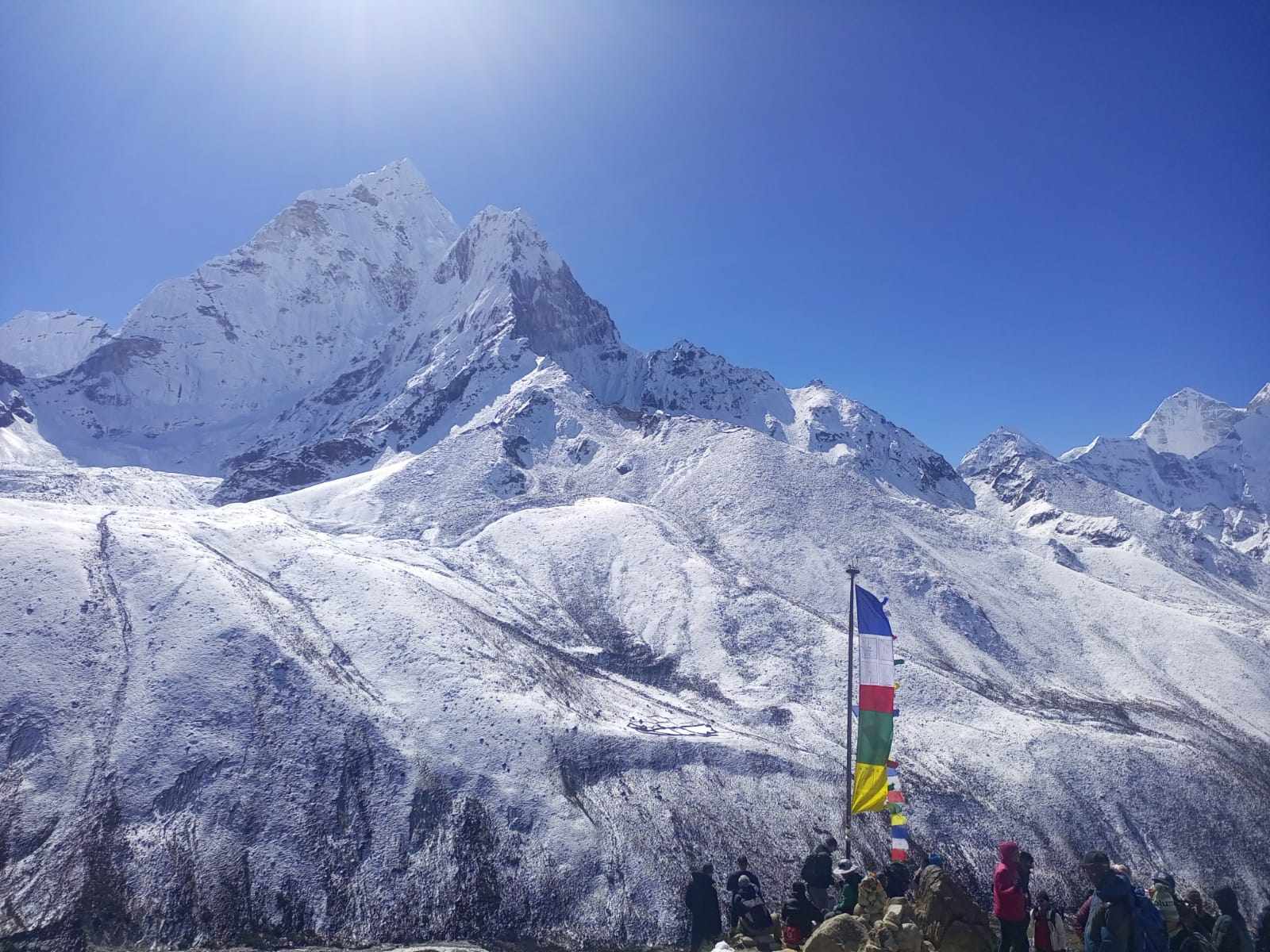
Most who walk toward Everest start out in Lukla, just as we made our move from there. After leaving places like Namche Bazaar and Dingboche in the distance, the trail shifts shape entirely. Instead of following well-worn paths, travelers find steeper rises ahead - places most never reach. Crossings named Kongma La, Cho La, then Renjo La enter the path without warning. Hard begins where most turn back. Out here, regular shifts into rough before you notice. Sticking around means pushing when others would quit. Few walk this way because steady wins nothing - only constant does.
Starting slow means mistakes happen less when things kick off.
Walking begins for some at Lukla on the Everest Three High Pass Trek - a slow tuning of muscle and lung before big climbs appear. Step by step, elevation creeps higher, giving time to adjust long before crossing zones near 5,000 meters. Without that steady climb, sickness can arrive suddenly and silently. With rougher trails drawing more people now, how breathing copes with thin air shapes which trips stay strong and which fall apart.
Permits and Entry Checkpoints
Walking up from Lukla, anyone heading into the high trails needs official passes. One opens gates to Sagarmatha National Park, another gives access to Khumbu Pasang Lhamu territory. Officials inspect these documents at checkpoints scattered along mountain paths. Going past key spots is blocked off if you lack permission, so only those approved proceed ahead. Crowds stay limited by design. Safety gets a quiet boost when journeys unfold under thinning air.
Trekking Environment From The Beginning
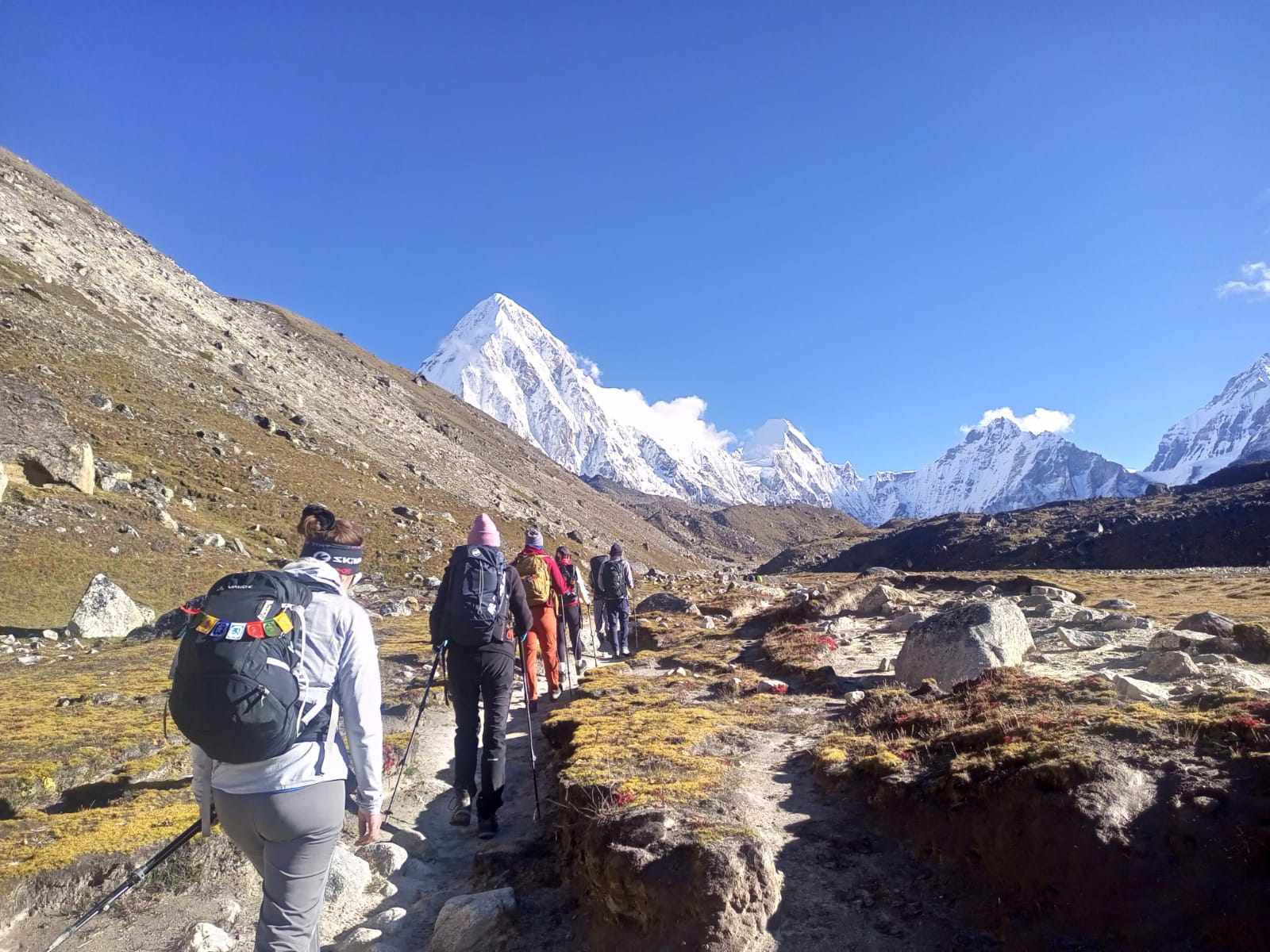
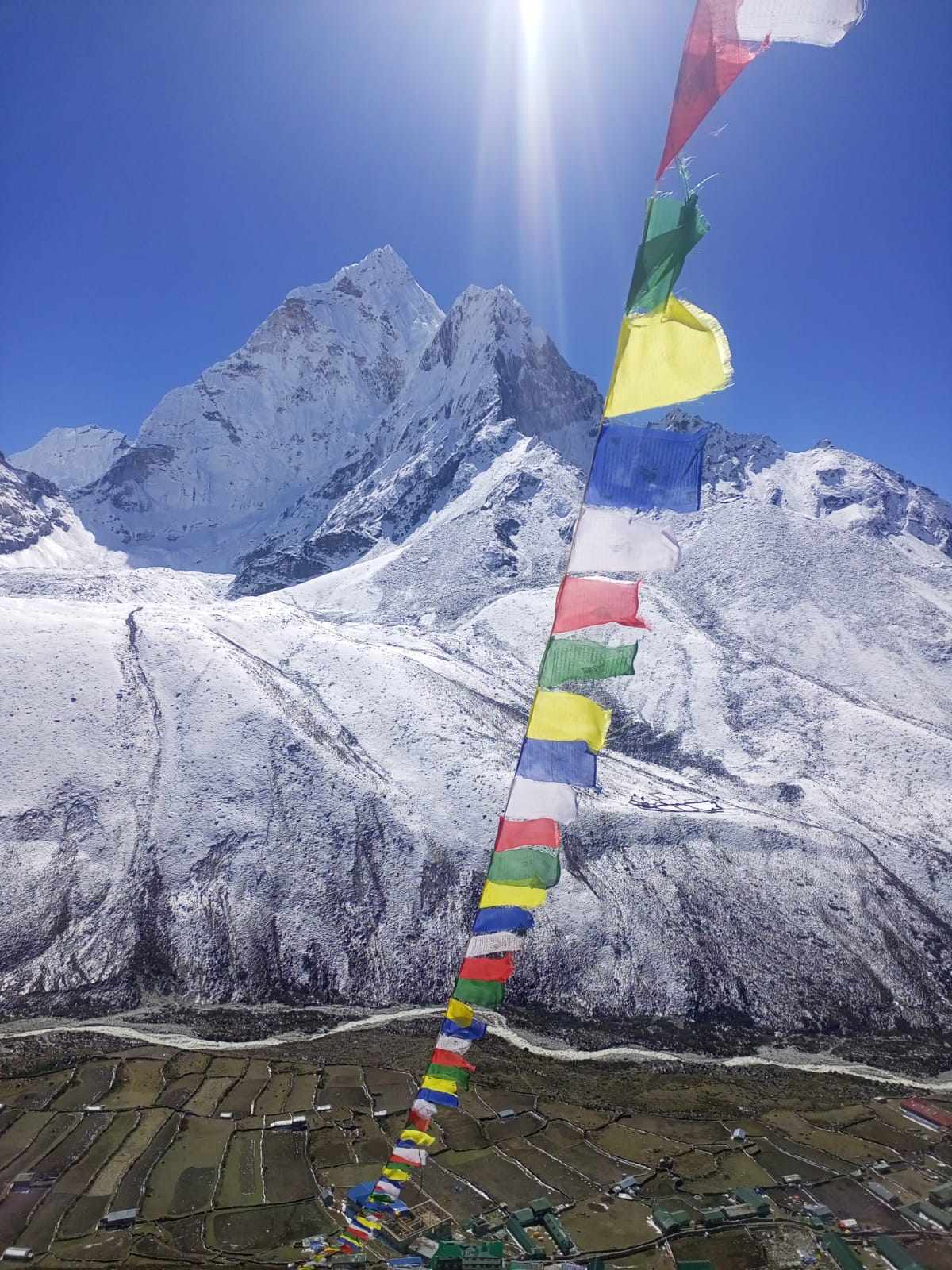
here, the Everest three excessive pass Trek starts among green valleys and quiet paths. alongside the Dudh Koshi River, routes skip under swaying bridges that creak while wind rushes by. Without being aware, stone-built settlements seem, with prayer flags fluttering above and small shrines tucked alongside hillsides.
Instead of rushing forward, plenty slow down, drawn by rising smoke and barking dogs near timber gateways. Before the air grows thin and icy ridges take over, time stretches - such as when figures in robes walk slowly, lit by early sun. This place holds quite close. Through narrow lanes it moves, carried in a shared cup of butter tea - passed without words, felt without sound.
Conclusion
Above the clouds, Lukla opens the door to Everest’s trio of high passes - planes touch down from Kathmandu, while others walk up from Salleri or Phaplu on rough tracks. Twisting routes slip farther into Khumbu after that, brushing by stone homes and bright prayer flags dancing in wind. Village by village, a steady rhythm builds long before slopes turn sharp. As more people chase tough summits, knowing where it all kicks off matters as much as what lies beyond. Movement ahead ties back to beginning moments - breathing pattern, stride, posture - each molded by how things first started.

Write a comment ...