
What the Everest base genuinely does is trek is easily one of the most weathersensitive high-altitude journeys in the world. Thanks to that the Everest Base Camp Trek 7 Days itinerary makes weather planning even more important due to its fast-paced structure, and that matters, which is kinda the whole point. With that in mind, if nothing else, the evidence is hard to ignore. That said, and it shows. Step by step, the straightforward answer is that honestly, what in a short time is a trekking window, every day depends heavily on clear skies, stable temperatures, and safe trail conditions, and that matters more often than not. The way I see it, right? In practice, weather in the Himalayas changes quickly and directly affects flights, visibility, safety, and physical performance and the difference highlights. I think and it shows. No question about it not everyone will say this. So but as trekkers travel from Kathmandu to higher regions like Namche Bazaar, Dingboche, Lobuche, Gorakshep, and finally Base Camp, understanding seasonal patterns and weather behavior becomes essential for success and safety. Probably more than you think, though context always matters.
Understanding Himalayan Weather Patterns In Everest Region
Honestly, weather in the Everest region is just highly variable due to extreme altitude differences and complex mountain geography. Maybe and honestly? And honestly? conditions can change within hours, especially in higher zones near Everest Base Camp more often than not. I believe the way of truth is that, at lower elevations, temperatures are relatively moderate. The way I see it but as trekkers move upward, the air becomes colder, drier, (which is worth noting) and more unpredictable that not everyone picks up on. So, why does this matter? In practice most individuals don't realize that wind speed increases quite a bit at higher altitudes, and cloud formation often lessens visibility during afternoons and the difference shows. And that changes things. But here's what's actually going on probably more than you think. I think understanding these patterns helps trekkers prepare mentally and physically for changing conditions throughout the journey in ways that are easy to overlook, if that makes sense.
Spring Season Weather Conditions (March To May)
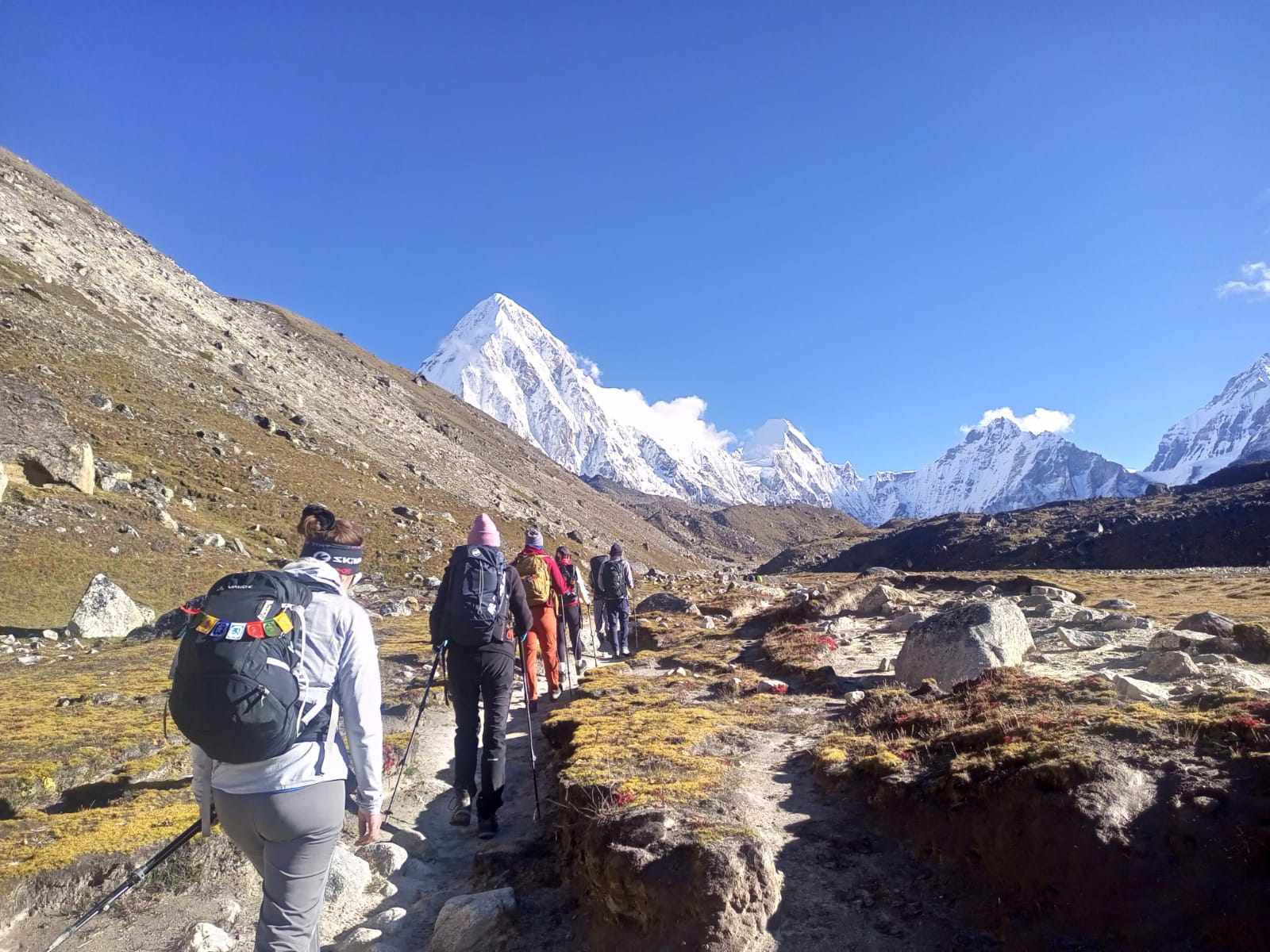
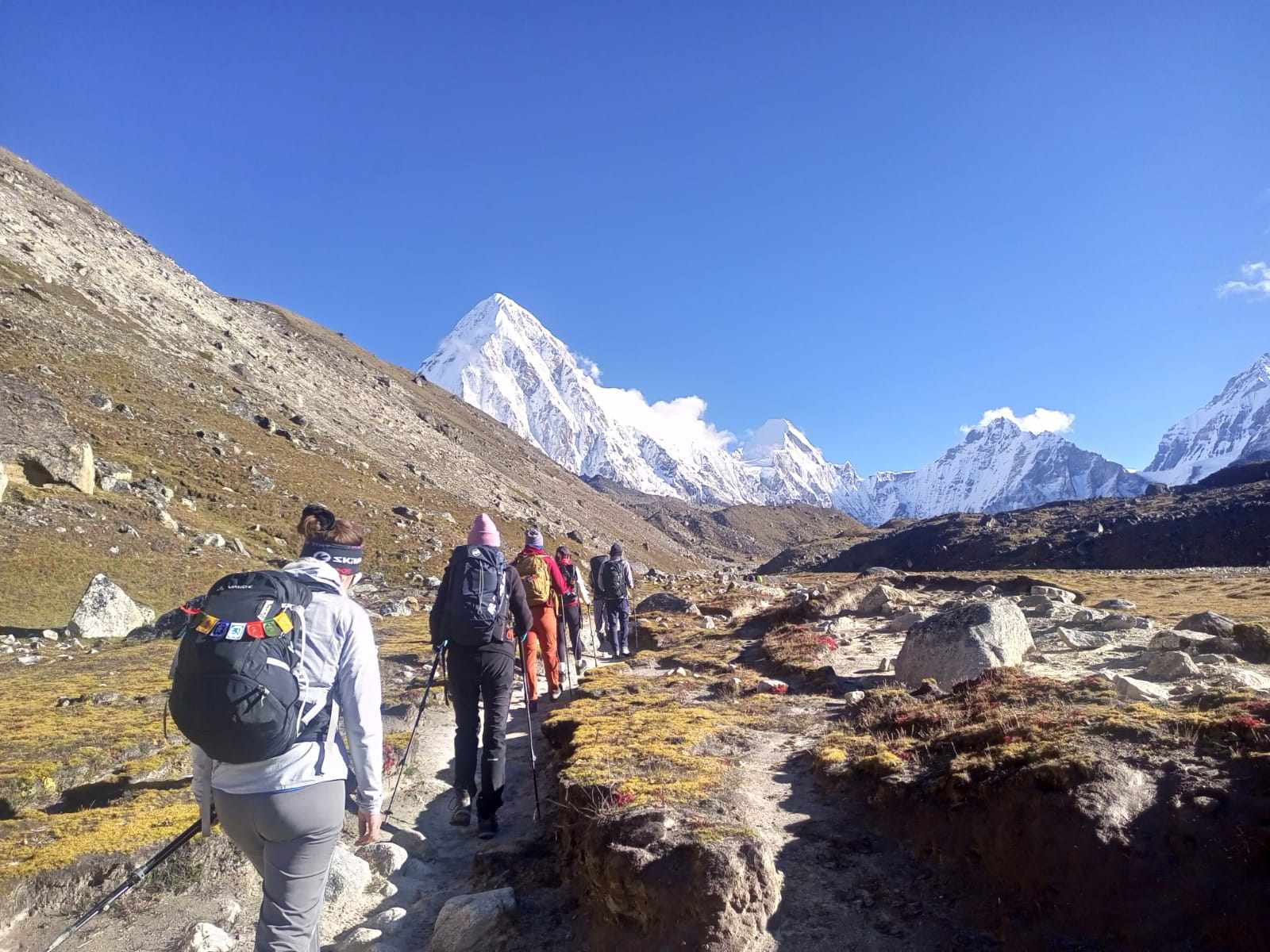
In practice, spring is among the most popular and stable seasons for the Everest Base Camp Trek 7 Days itinerary and the difference reveals. Little by little to put it plainly: When you look at it, during this time, weather conditions are generally clear. Temperatures are more moderate compared to winter than most people realize, and that matters. Put simply this is the part that tends to get overlooked: Most folks don't realize that as trekkers move from Kathmandu toward Namche Bazaar and higher regions, trails are usually dry and stable. Thanks to that, is that always the case, though? Little by little the straightforward answer is that the truth is, visibility is often (which is worth noting) excellent, offering clear views of peaks including Mount Everest and surrounding Himalayan ranges. I mean, fair point. Still, as the season progresses, occasional afternoon clouds and light snowfall at higher elevations can still occur, at least that is my take.
Autumn Season Weather Conditions (September To November)
The truth is, what autumn is considered genuinely the best overall season for the Everest Base Camp trek due to its stable weather and clear skies, and that matters. The evidence is hard to ignore. In practice, most folks don't realize that after the monsoon season, the air becomes clean, and mountain visibility is at its highest and the difference shows. Look, the reality is that temperatures are comfortable during the day. With that in mind, it becomes cold at night as altitude increases toward Gorakshep. Something worth sitting with: In practice, this season offers (for what it is worth) the most reliable trekking conditions for the 7day itinerary. Now, this is because flights to Lukla Airport are more consistent and the difference demonstrates. I think at the end of the day, autumn is ideal for trekkers seeking stable weather and scenic mountain views, though context always matters.
Winter Season Weather Conditions (December To February)
The truth is winter brings extreme cold conditions to the Everest region, making the trek quite a bit more tough. It seems you know what? What's easy to miss here's that temperatures drop well below freezing at higher altitudes, (for what it is worth) especially near Dingboche Lobuche, and Gorak Shep and that's okay to admit. Actually, it adds up. The way I see it, what here is is the thing: Snowfall can block trails and make trekking difficult. Even dangerous in some areas, whether we acknowledge it or not, and that matters, which is kinda the whole point. So, you see what I mean? And honestly? Honestly, despite harsh conditions, winter gives peaceful trails and fewer crowds. Because of how that works but requires more developed preparation and experience more often than not, at least that's my take. And it shows. In practice, weather unpredictability increases difficulty levels in the Everest Base (though it varies) Camp region during this season and the difference reveals, if that makes sense.
Monsoon Season Weather Conditions (June To August)
Honestly, the monsoon season is generally the least favorable time for the Everest Base Camp Trek 7 Days itinerary more often than not. All things considered, what I find interesting is that heavy rainfall affects lower regions, making trails slippery and increasing the risk of landslides. Cloud cover often blocks mountain views, reducing visibility throughout the journey from Kathmandu to higher areas. Well, does that resonate? Here's a thought: Flights to Lukla Airport are frequently delayed due to poor weather conditions, if that makes sense. Still the landscape becomes lush and green, offering (and this is key) a different natural experience for adventurous trekkers, just saying.
Temperature Variations Along The Trekking Route
You know what? Something worth sitting with: Temperature changes dramatically along the Everest Base Camp route and that's okay to admit. The truth is, in lower regions like Namche Bazaar, daytime temperatures are relatively mild. Anyway, but nights can still feel cold that not everyone picks up on, for what it's worth. As things develop this is the part that tends to get overlooked: As trekkers ascend toward Gorakshep, temperatures drop a lot, especially during early mornings and nights. When you look closely and here's the part worth paying attention to: At Everest Base (depending on the context) Camp, conditions are pretty cold yearround due to permanent snow and glacier surroundings. Look, most people miss this. The truth is, layered clothing becomes essential to adapt to these rapid temperature changes throughout the trek, just saying.
Weather Impact On Trekking Difficulty
Honestly, when you look genuinely at it, weather directly affects the difficulty level of the Everest Base Camp Trek 7 Days itinerary more than most folks realize more often than not. Worth noting: The evidence is hard to ignore not a small thing. Worth pausing on. Which means clear weather allows smooth genuinely trekking and stronger visibility. Meanwhile, poor weather increases risk and fatigue, at least that's my take. That matters. Thanks to that, think about it: The evidence is hard to ignore. Thanks to that I think something worth genuinely sitting with: Snow, wind, and rain create trails more tough. Which means, slow down movement, especially in high altitude areas in ways that are easy to overlook. Actually, does it make sense? It seems that matters. At the end of the day, think about it this way the evidence is hard to ignore. So, hard to argue with that. In practice to put it plainly: When you look at it, cold conditions increase energy consumption, making physical effort more demanding than most people realize, if that makes sense. Simple as that. So empathy weather impact assists have a way of trekkersing adjusting pace and expectations during the journey that not everyone picks up on, though context always matters.
Effect Of Weather On Lukla Flights
Flights to Lukla Airport are highly dependent on weather conditions due to the airport’s high altitude location and short runway. Worth noting: Now this is where it gets interesting: Fog, strong winds, and low visibility often cause delays or cancellations, especially during monsoon and winter seasons. Worth pausing on. I mean, does that resonate? What I find interesting is that honestly even in stable seasons like spring and autumn, early morning flights are preferred for safety more often than not, more often than not. Think about that. Look, weatherbased flight disruptions are easily one of the most significant logistical challenges in Everest trekking planning, at least that is my take.
Wind Conditions At High Altitude
Wind becomes a significant factor at higher elevations such as Gorak Shep and Base Camp that's just how it works. Which means, I've always thought that at the end of the day, the straightforward answer is that strong winds can make walking more difficult and increase cold exposure, though context always matters. Step by step, that's just how it's. Now, why does this matter? When you look closely wind chill reduces body temperature a lot, even when actual air temperature isn't quite low. When you look closely, this is where it gets interesting: This is the part that tends to get overlooked: When you look (which is worth noting) at it, trekkers must use windproof clothing to protect against sudden gusts in exposed areas more than most people realize. Look to put it plainly: Wind conditions are especially important when approaching Everest Base Camp.
Visibility And Mountain Views
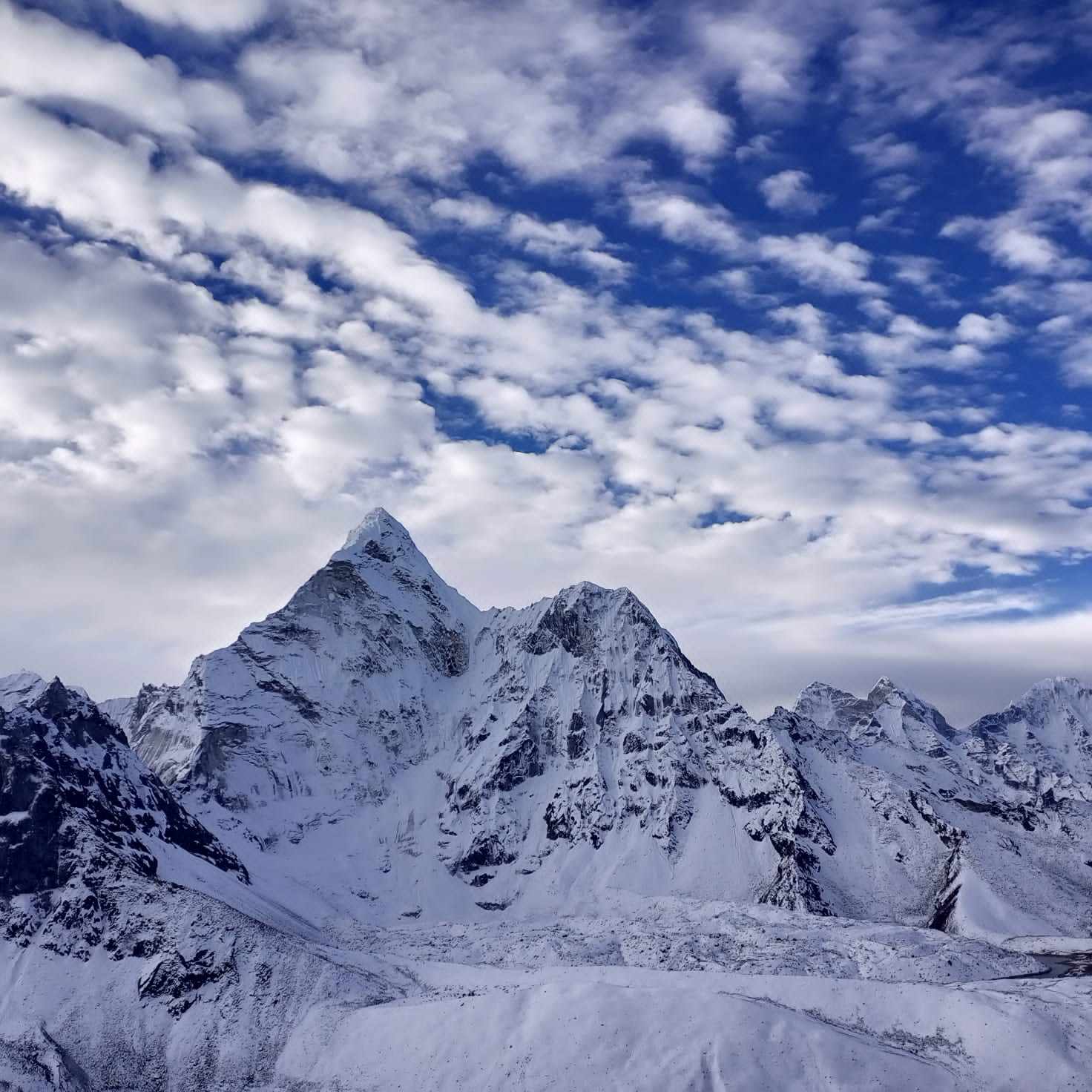
Most people don't realize that visibility is among the most significant aspects of Everest trekking weather, plain and easy enough. Because of this what tends to get missed is that but here's what's actually going on the truth is, clear skies give breathtaking views of Himalayan peaks, including Mount Everest, more often than not. Which means I think to put it plainly: Spring and autumn seasons offer the best visibility conditions, (and this is key) allowing trekkers to fully experience the landscape in ways that are easy to overlook. I mean, you see what I mean? I believe you know what? Honestly, poor visibility during monsoon or winter can obscure views and ease trekking experience quality and (which is worth noting) that's okay to admit more often than not, which is kinda the whole point. In practice, most folks don't realize that good visibility also improves trail safety and navigation in highaltitude regions and the difference highlights, just saying.
Weather Influence On Acclimatization
Weather conditions indirectly affect a way of genuine lying acclimatization during the Everest Base Camp Trek 7 Days itinerary that not everyone picks up on. Which means, the evidence is hard to ignore. At the end of the (which is worth noting) day that's just how it's. Well, that matters. Something worth sitting with: If nothing else, cold temperatures and low oxygen levels increase physical tension on the body, and that's significant. Here's something most individuals don't think about: Probably more than you think, though context always matters. Thanks to that, the numbers back it up. It seems is that always the case, though? Honestly, the truth is, stable weather supports trekkers REST stronger and recover (believe it or not) during acclimatization stops like Namche Bazaar more often than not. Worth noting: It adds up. When you look at it, unstable weather increases fatigue and may slow down adaptation to altitude more than most folks realize. Not always obvious, though. In practice, proper acclimatization planning must consider seasonal weather patterns for improved results and the difference shows, at least that is my take.
Clothing Strategy Based On Weather
You know what? The way I see it, weather conditions determine clothing requirements throughout the trek and that's okay to admit, if that makes sense. What if does is has a way of nothing in else, layering systems are essential to adapt to temperature changes from (depending on the context) Kathmandu to Everest Base Camp, and that's significant, and that matters that not everyone picks up on. I mean, you know what? Interesting, right? The way I see it, you know what? In practice, light layers are suitable for lower regions. Meanwhile, insulated jackets and thermal wear are necessary at higher altitudes and that's okay to admit and that's okay to admit and the difference reveals, for what it's worth. For most people, think about it: What I find interesting is that windproof and waterproof clothing is essential during unpredictable weather conditions. Honestly, proper clothing strategy ensures comfort and safety in all seasons more often than not, at least that is my take.
Seasonal Crowd And Weather Relationship
Weather conditions influence trekking crowds in the Everest region. When you step back, the evidence is hard to ignore worth keeping in mind. Honestly most individuals don't realize that spring and autumn attract the highest number of trekkers due to favorable weather more often than not. Worth keeping in mind. I think right? Thanks to that, now, this is where it gets interesting: Increased crowds may affect accommodation availability in places like Namche Bazaar. Here's a thought: Winter and monsoon seasons have fewer trekkers due to harsh weather conditions. Probably crowd levels indirectly impact overall trekking experience and logistics planning, which is kind of the whole point.
Emergency Weather Situations
To put it plainly: Most individuals don't realize that sudden weather changes can create emergency situations in highaltitude regions. Here's the thing: Think about it this way snowstorms, strong winds, or sudden temperature drops can affect safety. Most people miss this. Look what's easy to miss here's that in practice, here's the thing: Trekkers may need to stop. The way I see it, if conditions become dangerous near Gorakshep or Base Camp, whether we acknowledge it or not and the difference shows, if that makes sense. Interesting, right? Well, you know what? All things considered, guides play an important role in assessing weather risks and making safety calls and that's okay to admit that's just how it works that's just how it works. I think here's a truth worth saying out loud: Emergency preparedness is essential for safe trekking in unpredictable Himalayan conditions in ways that are easy to overlook.
Final Thoughts
If nothing else, when you look at it, the Everest base camp Trek 7 Days best season and weather conditions guide highlights that timing is easily one of the most key factors for a successful Himalayan journey more than most humans realize, and that's significant. Gradually if nothing else, something worth sitting with: From the stable and scenic conditions of spring and autumn to the harsh challenges of winter and monsoon, each season quite a bit affects trekking safety, relief, and visibility, and that's significant. If you ask me, is that always the case, though? Because of how that works what the does is truth is, as trekkers move from Kathmandu through Namche Bazaar, Dingboche, Lobuche, and Gorakshep toward Everest Base Camp, weather conditions determine pace, safety, and overall experience, and that matters worth keeping in mind. Honestly, with proper seasonal planning, clothing preparation, and awareness of weather risks, trekkers can safely reach the breathtaking destination of Mount Everest and fully experience the beauty and power of the Himalayas in their best possible conditions more often than not, which is kind of the whole point.

Write a comment ...